
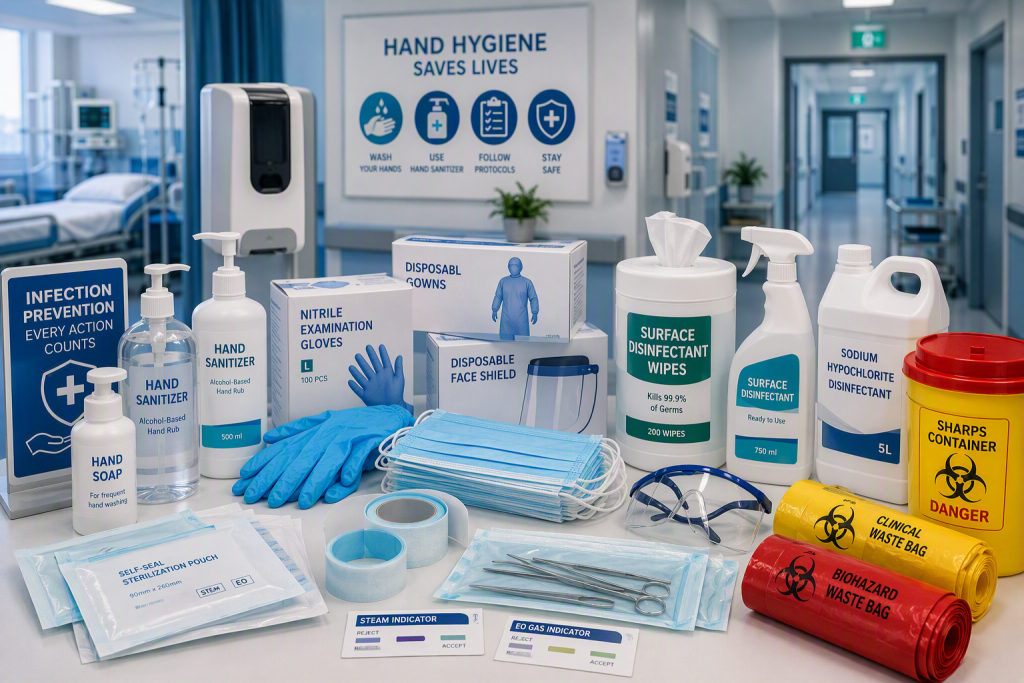
تُعد مستلزمات مكافحة العدوى للعيادات والمستشفيات جزءًا أساسيًا من الحفاظ على بيئة صحية آمنة للمرضى والعاملين في الرعاية الصحية والزوار. فمن منتجات نظافة اليدين ومعدات الوقاية الشخصية إلى المطهرات ومستلزمات التعقيم والتخلص من النفايات الطبية، تساهم هذه المستلزمات في دعم ممارسات الوقاية من العدوى داخل مختلف مرافق الرعاية الصحية.
ومع ذلك، فإن ضمان توفر مستلزمات مكافحة العدوى بشكل مستمر يتطلب أكثر من مجرد طلب المنتجات عند انخفاض المخزون. إذ تحتاج العيادات والمستشفيات إلى خطة توريد منظمة تراعي جودة المنتجات، ومعدلات الاستخدام، ومتطلبات التخزين، والاشتراطات التنظيمية، واستمرارية الإمداد.
ويمكن لاستراتيجية التوريد المدروسة أن تساعد مرافق الرعاية الصحية على تقليل حالات نقص المخزون، وتحسين كفاءة العمليات اليومية، وضمان توفر مستلزمات الوقاية الأساسية عند الحاجة إليها.
لماذا تتطلب مستلزمات مكافحة العدوى تخطيطًا استراتيجيًا للتوريد؟
تعتمد الوقاية من العدوى على توفر المنتجات المناسبة بشكل مستمر وفي الوقت المناسب. وقد يؤثر نقص القفازات أو المطهرات أو الكمامات أو مستلزمات التعقيم على سير العمل اليومي، كما قد يؤدي إلى زيادة المخاطر غير الضرورية.
لذلك، ينبغي أن تراعي فرق المشتريات عدة عوامل عند التخطيط لتوريد مستلزمات مكافحة العدوى للعيادات والمستشفيات، ومنها:
- معدلات الاستهلاك اليومية والشهرية.
- احتياجات الأقسام المختلفة.
- جودة المنتجات ومواصفاتها.
- متطلبات التخزين والتعامل مع المنتجات.
- تواريخ انتهاء الصلاحية ومدة التخزين.
- موثوقية المورد وأداء عمليات التوصيل.
- المخزون الاحتياطي وحالات الطوارئ.
ويساعد اتباع نهج منظم على الحفاظ على مستويات مخزون مناسبة، دون التسبب في تكاليف إضافية نتيجة التخزين الزائد.
أهم مستلزمات مكافحة العدوى في مرافق الرعاية الصحية
تختلف الاحتياجات حسب نوع المنشأة وحجمها والخدمات التي تقدمها، إلا أن معظم العيادات والمستشفيات تحتاج إلى مجموعة أساسية من مستلزمات مكافحة العدوى.
1. مستلزمات نظافة اليدين
تُعد نظافة اليدين من أهم أسس الوقاية من العدوى في بيئات الرعاية الصحية. وتشمل المستلزمات الأساسية:
- مطهرات اليدين الكحولية.
- الصابون السائل.
- موزعات مستلزمات نظافة اليدين.
- المناشف الورقية أحادية الاستخدام.
- محطات نظافة اليدين.
- منتجات تنظيف الموزعات والأسطح.
وينبغي ألا تقتصر عملية التوريد على اختيار المنتج فقط، بل يجب أيضًا مراعاة توفر الموزعات، واحتياجات إعادة التعبئة، ومواقع وضعها، ومعدلات الاستهلاك.
2. معدات الوقاية الشخصية
تساعد معدات الوقاية الشخصية العاملين في الرعاية الصحية على تقليل مخاطر التعرض للعدوى وفقًا لطبيعة الحالة والإجراءات الوقائية المطلوبة.
وتشمل مستلزمات الوقاية الشخصية الشائعة:
- القفازات الطبية والجراحية.
- الكمامات الطبية.
- أجهزة التنفس الواقية عند الحاجة.
- العباءات الواقية.
- المراييل أحادية الاستخدام.
- النظارات الواقية.
- واقيات الوجه.
- أغطية الرأس والأحذية عند الحاجة.
ويجب اختيار معدات الوقاية الشخصية وفقًا لاستخدامها المقصود، ومواصفاتها، ومستوى الحماية المطلوب، ومدى توفرها، بالإضافة إلى الراحة أثناء الاستخدام.
3. مستلزمات التنظيف والتطهير
تحتاج بيئات الرعاية الصحية إلى منتجات تنظيف وتطهير مناسبة للأسطح والأجهزة والمناطق المختلفة.
وقد تشمل عملية التوريد:
- مطهرات الأسطح.
- مطهرات المعدات الطبية.
- المنظفات ومواد التنظيف.
- المناديل المطهرة أحادية الاستخدام.
- أقمشة ومماسح التنظيف.
- معدات وأدوات التنظيف.
- عبوات وموزعات المطهرات.
وينبغي اختيار المنتجات وفقًا للاستخدام المقصود وتعليمات الشركة المصنعة. فقد يؤدي استخدام المنتج غير المناسب أو تطبيقه بطريقة غير صحيحة إلى تقليل فعاليته أو التسبب في تلف الأسطح والمعدات.
4. مستلزمات التعقيم وإعادة معالجة الأجهزة الطبية
بالنسبة إلى الأجهزة والأدوات الطبية القابلة لإعادة الاستخدام، تُعد عمليات التنظيف والتطهير والتعقيم جزءًا مهمًا من الوقاية من العدوى.
وقد تشمل مستلزمات التعقيم:
- أكياس ولفائف التعقيم.
- أغطية التعقيم.
- المؤشرات الكيميائية.
- المؤشرات البيولوجية.
- منتجات تنظيف الأدوات.
- صواني التعقيم.
- ملحقات أجهزة التعقيم بالبخار.
- مواد التغليف ووضع الملصقات.
ويجب التأكد من توافق مستلزمات التعقيم مع المعدات والعمليات المستخدمة داخل المنشأة.
5. مستلزمات العزل والوقاية التنفسية
قد تحتاج المستشفيات والعيادات إلى مستلزمات إضافية لمناطق العزل وإجراءات الوقاية من انتقال العدوى عبر الجهاز التنفسي.
وقد تشمل:
- الكمامات الطبية.
- أجهزة التنفس الواقية.
- العباءات أحادية الاستخدام.
- القفازات.
- وسائل حماية العينين.
- الحواجز الواقية أحادية الاستخدام.
- لافتات ومستلزمات مناطق العزل.
وينبغي أن تعكس مستويات المخزون طبيعة المرضى والخدمات السريرية في المنشأة، بالإضافة إلى احتياجاتها المحتملة خلال فترات زيادة الطلب.
6. مستلزمات التخلص من الأدوات الحادة والنفايات الطبية
يُعد التخلص الآمن من المواد الملوثة جزءًا أساسيًا من جهود مكافحة العدوى.
وتشمل المستلزمات الشائعة:
- حاويات الأدوات الحادة.
- أكياس النفايات الطبية.
- الأكياس المخصصة للنفايات البيولوجية الخطرة.
- حاويات النفايات.
- حاويات التجميع أحادية الاستخدام.
- مستلزمات التعامل مع الانسكابات.
ويجب التأكد من أن حاويات النفايات مناسبة للاستخدام المخصص لها، وأنها متوفرة في المواقع المناسبة داخل المنشأة.
كيفية بناء خطة توريد أكثر أمانًا لمستلزمات مكافحة العدوى
تبدأ خطة التوريد الناجحة بفهم معدلات الاستهلاك والاحتياجات الفعلية للمنشأة بدلًا من الاعتماد على التقديرات العامة.
تقييم احتياجات الأقسام
تختلف احتياجات الأقسام الطبية بشكل كبير. فقد تختلف معدلات استهلاك قسم الطوارئ أو غرف العمليات أو المختبرات أو العيادات الخارجية أو وحدات العناية المركزة.
لذلك، من المفيد إنشاء ملفات احتياج منفصلة للأقسام ذات الاستهلاك المرتفع، مع تحديد المنتجات الضرورية لاستمرار العمليات اليومية.
تحديد الحد الأدنى والأقصى للمخزون
يساعد تحديد مستويات الحد الأدنى والأقصى للمخزون على تقليل احتمالية النقص أو التخزين الزائد.
ويجب تحديد نقاط إعادة الطلب للمنتجات الأساسية بناءً على:
- متوسط الاستهلاك.
- مدة توريد المورد.
- تكرار عمليات التوصيل.
- الطلب الموسمي.
- احتياجات الطوارئ.
متابعة تواريخ انتهاء الصلاحية
تخضع العديد من مستلزمات مكافحة العدوى لتواريخ انتهاء صلاحية أو متطلبات تخزين محددة. ويمكن أن تساعد المراجعة المنتظمة للمخزون في تحديد المنتجات التي تقترب من انتهاء صلاحيتها وتقليل الهدر.
ويمكن تطبيق مبدأ الأقرب انتهاءً يُستخدم أولًا على المنتجات التي ينطبق عليها ذلك.
الاحتفاظ بمخزون احتياطي للطوارئ
ينبغي لمرافق الرعاية الصحية دراسة إمكانية الاحتفاظ بمخزون احتياطي من مستلزمات مكافحة العدوى الأساسية. وتختلف الكمية المناسبة حسب حجم المنشأة، والخدمات التي تقدمها، ومعدلات الاستهلاك، ومستوى المخاطر.
اختيار مورد موثوق لمستلزمات مكافحة العدوى
يُعد اختيار المورد المناسب بنفس أهمية اختيار المنتجات المناسبة. لذلك، لا ينبغي أن يعتمد تقييم المورد على السعر وحده.
ومن أهم العوامل التي يجب مراعاتها:
- جودة المنتجات واستمراريتها.
- توفر المستلزمات الأساسية.
- الالتزام بمواعيد التوصيل.
- ممارسات التخزين والنقل.
- توفر المستندات الخاصة بالمنتجات.
- الالتزام بالمتطلبات التنظيمية.
- جودة خدمة العملاء.
- القدرة على التعامل مع الطلبات العاجلة.
- استمرارية التوريد.
وفي المملكة العربية السعودية، تخضع الأجهزة والمنتجات الطبية ذات الصلة لمتطلبات تنظيمية تشرف عليها الهيئة العامة للغذاء والدواء (SFDA)، بما يشمل متطلبات التسجيل والترخيص والتسويق والتوزيع والسلامة والجودة والمتابعة بعد التسويق.
لذلك، ينبغي لمرافق الرعاية الصحية التعامل مع موردين لديهم معرفة بالمتطلبات المعمول بها في المملكة، ويمكنهم توفير المعلومات والوثائق المناسبة المتعلقة بالمنتجات.
قائمة مراجعة لتوريد مستلزمات مكافحة العدوى
قبل تنفيذ أي طلب شراء، يمكن لفرق المشتريات استخدام قائمة مراجعة بسيطة تشمل:
- تحديد مستلزمات مكافحة العدوى الأساسية.
- مراجعة مستويات المخزون الحالية.
- تحليل معدلات الاستهلاك.
- تحديد الحد الأدنى والأقصى للمخزون.
- مراجعة تواريخ انتهاء الصلاحية.
- التحقق من مواصفات المنتجات.
- التأكد من توفر المنتجات لدى المورد.
- تأكيد مواعيد التوصيل.
- مراجعة متطلبات التخزين.
- التأكد من توفر المستندات المطلوبة.
- الاحتفاظ بمخزون احتياطي للمنتجات الأساسية.
- تسجيل أداء المورد ومتابعته بشكل دوري.
ويمكن أن تجعل هذه الخطوات عملية التوريد أكثر وضوحًا واستقرارًا، كما تساعد مرافق الرعاية الصحية على التعامل مع تغيرات الطلب بصورة أكثر فعالية.
دور إدارة المخزون في الوقاية من العدوى
ينبغي النظر إلى إدارة المخزون باعتبارها جزءًا مهمًا من استراتيجية مكافحة العدوى، وليس مجرد وظيفة إدارية منفصلة.
ويمكن لأنظمة إدارة المخزون الرقمية مساعدة مرافق الرعاية الصحية على متابعة الاستهلاك، وتحديد المنتجات الأكثر استخدامًا، ومراقبة تواريخ انتهاء الصلاحية، ووضع نقاط إعادة طلب تلقائية. ويساهم ذلك في تحسين رؤية المخزون وتقليل احتمالية حدوث نقص مفاجئ.
كما يمكن أن يؤدي التواصل المستمر بين فرق المشتريات، ومسؤولي مكافحة العدوى، والتمريض، والصيدلة، ومديري الأقسام إلى تحسين توقعات الطلب، وضمان أن تعكس قرارات الشراء الاحتياجات السريرية الفعلية.
بناء استراتيجية طويلة الأمد لتوريد مستلزمات مكافحة العدوى
لا ينبغي أن تركز خطة التوريد على طلب الشراء التالي فقط. فمن الأفضل لمرافق الرعاية الصحية بناء علاقات طويلة الأمد مع موردين يمكنهم توفير جودة ثابتة، وتوريد موثوق، ودعم سريع عند الحاجة.
ويمكن أن تساعد التقييمات الدورية للموردين في متابعة أداء التوصيل، وتوفر المنتجات، وأي مشكلات تتعلق بالجودة، وسرعة الاستجابة. كما ينبغي مراجعة خطط التوريد بشكل دوري مع تغير أعداد المرضى والخدمات السريرية والمتطلبات التنظيمية واحتياجات المنشأة.
وفي المملكة العربية السعودية، يجب على المنشآت الصحية أيضًا متابعة المتطلبات المعمول بها للأجهزة والمستلزمات الطبية، والتأكد من التعامل مع المنتجات واستخدامها وفقًا للمتطلبات ذات الصلة وتعليمات الشركات المصنعة.
مستقبل توريد مستلزمات مكافحة العدوى
يتجه قطاع الرعاية الصحية نحو أنظمة توريد أكثر اعتمادًا على البيانات والتقنيات الرقمية. ومن المتوقع أن تلعب أدوات تحليل المخزون، والتنبؤ بالطلب، وأنظمة التتبع الرقمية دورًا أكبر في مساعدة المنشآت الصحية على إدارة مستلزمات مكافحة العدوى بكفاءة.
كما يمكن للتكامل بين أنظمة المشتريات والمخزون والأقسام السريرية أن يوفر رؤية أفضل للاستهلاك، ويساعد على اكتشاف احتياجات التوريد قبل حدوث النقص.
ومع استمرار تطور قطاع الرعاية الصحية في المملكة، ستزداد أهمية وجود خطط توريد مرنة قادرة على الاستجابة للطلب المتغير مع الحفاظ على الجودة والسلامة واستمرارية الإمداد.
الخلاصة
تُعد مستلزمات مكافحة العدوى للعيادات والمستشفيات عنصرًا أساسيًا للحفاظ على بيئات رعاية صحية آمنة وفعالة. فمن منتجات نظافة اليدين ومعدات الوقاية الشخصية إلى المطهرات ومستلزمات التعقيم والتخلص من النفايات الطبية، تؤدي كل فئة دورًا مهمًا في دعم ممارسات الوقاية من العدوى.
وتجمع استراتيجية التوريد الأكثر أمانًا بين التنبؤ الدقيق بالاحتياجات، وإدارة مستويات المخزون، واختيار الموردين الموثوقين، ومراقبة الجودة، والالتزام بالمتطلبات التنظيمية، والتخطيط لحالات الطوارئ.
ومن خلال التعامل مع توريد مستلزمات مكافحة العدوى باعتباره عملية استراتيجية مستمرة، وليس مجرد مجموعة من طلبات الشراء المنفصلة، يمكن لمرافق الرعاية الصحية تحسين استمرارية الإمداد ودعم العمليات اليومية بصورة أكثر أمانًا وكفاءة.
فالهدف ليس مجرد تخزين المستلزمات، بل ضمان توفر المنتجات المناسبة لمكافحة العدوى، وإدارتها بالشكل الصحيح، وجاهزيتها للاستخدام في الوقت الذي تحتاجها فيه فرق الرعاية الصحية.
Infection control supplies for clinics and hospitals are an essential part of maintaining a safe healthcare environment for patients, healthcare professionals, and visitors. From hand hygiene products and personal protective equipment to disinfectants, sterilization supplies, and medical waste products, these supplies support infection prevention practices across different healthcare settings.
However, maintaining a reliable supply of infection control products requires more than simply ordering items when stock runs low. Healthcare facilities need a structured procurement plan that considers product quality, usage rates, storage requirements, regulatory considerations, and supply continuity.
A well-planned procurement strategy can help clinics and hospitals reduce shortages, improve operational efficiency, and ensure that essential infection prevention supplies are available when needed.
Why Infection Control Supplies Require Strategic Procurement
Infection prevention depends on consistent access to the right products at the right time. A shortage of gloves, hand sanitizers, disinfectants, masks, or sterilization materials can affect daily operations and create unnecessary risks.
The World Health Organization emphasizes that healthcare facilities need adequate infection prevention and control supplies, including personal protective equipment, hygiene products, and appropriate hand hygiene facilities.
For this reason, procurement teams should consider:
- Daily and monthly consumption rates
- Different requirements across departments
- Product quality and specifications
- Storage and handling conditions
- Expiration dates and shelf life
- Supplier reliability and delivery performance
- Emergency and contingency stock
A systematic approach makes it easier to maintain sufficient stock without creating unnecessary inventory costs.
Essential Infection Control Supplies for Healthcare Facilities
The exact requirements vary depending on the type and size of the facility. However, most clinics and hospitals require several core categories of infection control supplies.
1. Hand Hygiene Supplies
Hand hygiene is one of the foundations of infection prevention in healthcare environments. Essential supplies may include:
- Alcohol-based hand sanitizers
- Liquid hand soap
- Handwashing dispensers
- Disposable paper towels
- Hand hygiene stations
- Surface and dispenser cleaning products
WHO guidance highlights the importance of providing hand hygiene supplies at points of care and other critical locations throughout healthcare facilities.
Procurement teams should therefore consider not only the product itself but also dispenser availability, refill requirements, placement, and consumption rates.
2. Personal Protective Equipment
Personal protective equipment (PPE) helps healthcare workers manage exposure risks according to the clinical situation and applicable precautions.
Common PPE supplies include:
- Examination and surgical gloves
- Medical masks
- Respirators where indicated
- Protective gowns
- Disposable aprons
- Protective eyewear
- Face shields
- Head and shoe covers where required
WHO notes that PPE is an important component of standard and transmission-based precautions, but it should work alongside hand hygiene and other infection prevention measures rather than replace them.
Procurement teams should select products based on intended use, applicable specifications, comfort, availability, and appropriate protection levels.
3. Cleaning and Disinfection Supplies
Healthcare environments require appropriate cleaning and disinfection products for different surfaces, equipment, and areas.
Depending on the facility, procurement may include:
- Surface disinfectants
- Medical equipment disinfectants
- Detergents and cleaning agents
- Disposable cleaning wipes
- Cleaning cloths and mops
- Cleaning equipment
- Disinfectant dispensers and containers
Products should be selected according to their intended application and manufacturer instructions. Using the wrong product or applying it incorrectly can reduce effectiveness or damage equipment and surfaces.
4. Sterilization and Medical Device Reprocessing Supplies
For reusable medical devices and instruments, cleaning, disinfection, and sterilization form an important part of infection prevention. WHO describes decontamination and reprocessing as a sequence that requires appropriate infrastructure, equipment, procedures, and quality control.
Depending on the facility, sterilization supplies may include:
- Sterilization pouches and rolls
- Sterilization wraps
- Chemical indicators
- Biological indicators
- Instrument cleaning products
- Sterilization trays
- Autoclave accessories
- Packaging and labeling materials
Healthcare facilities should ensure that sterilization supplies are compatible with the equipment and processes being used.
5. Isolation and Respiratory Protection Supplies
Hospitals and clinics may require additional infection control supplies for isolation areas and respiratory precautions.
These can include:
- Medical masks
- Respirators
- Disposable gowns
- Gloves
- Eye protection
- Disposable protective barriers
- Isolation signage and related supplies
Stock levels should reflect the facility’s patient population, clinical services, and potential surge requirements.
6. Sharps and Medical Waste Management Supplies
Safe disposal of contaminated materials is another important part of infection prevention.
Common supplies include:
- Sharps containers
- Clinical waste bags
- Biohazard bags
- Waste bins
- Disposable collection containers
- Spill management supplies
Procurement teams should ensure that waste containers are suitable for their intended use and available in appropriate locations throughout the facility.
How to Build a Safer Infection Control Procurement Plan
A successful procurement plan begins with understanding actual consumption and clinical requirements rather than relying on assumptions.
Assess Department Requirements
Different areas have different needs. Emergency departments, operating rooms, dental clinics, laboratories, outpatient clinics, and intensive care units may have significantly different consumption patterns.
Create separate demand profiles for high-use departments and identify products that are critical to daily operations.
Establish Minimum and Maximum Stock Levels
Setting minimum and maximum inventory levels can help prevent both shortages and unnecessary overstocking.
Critical supplies should have clearly defined reorder points based on:
- Average consumption
- Supplier lead time
- Delivery frequency
- Seasonal demand
- Emergency requirements
Monitor Expiration Dates
Many infection control products have expiration dates or specific storage requirements. Regular inventory checks can help identify products approaching expiry and reduce avoidable waste.
A first-expire, first-out approach can be useful for applicable products.
Maintain Emergency Stock
Healthcare facilities should consider maintaining contingency stock for essential infection control supplies. WHO guidance specifically highlights the importance of contingency planning in the event of supply shortages.
The appropriate quantity depends on the facility’s size, services, consumption rates, and risk profile.
Choosing a Reliable Infection Control Supplies Supplier
Choosing the right supplier is as important as choosing the right products. Healthcare facilities should evaluate suppliers based on more than price alone.
Important factors include:
- Product quality and consistency
- Availability of essential supplies
- Delivery reliability
- Storage and transportation practices
- Product documentation
- Regulatory compliance
- Customer support
- Ability to handle urgent orders
- Supply continuity
In Saudi Arabia, medical devices and related products are subject to regulatory requirements overseen by the Saudi Food and Drug Authority (SFDA). The SFDA’s responsibilities include establishing requirements related to medical device registration, licensing, marketing, distribution, safety, quality, and post-market monitoring.
Facilities should therefore work with suppliers who understand applicable Saudi requirements and can provide appropriate product and regulatory information.
Infection Control Procurement Checklist
Before placing an order, procurement teams can use a simple checklist:
- Identify essential infection control supplies
- Review current stock levels
- Check consumption rates
- Confirm minimum and maximum stock levels
- Review expiration dates
- Verify product specifications
- Check supplier availability
- Confirm delivery timelines
- Review storage requirements
- Confirm required documentation
- Maintain contingency stock for critical items
- Record and monitor supplier performance
This process can make procurement more predictable and help healthcare facilities respond more effectively to changes in demand.
The Role of Inventory Management in Infection Prevention
Inventory management should be treated as an important part of infection control rather than a separate administrative function.
Digital inventory systems can help healthcare facilities monitor consumption, identify frequently used products, track expiration dates, and establish automated reorder points. This can improve visibility across departments and reduce the risk of unexpected shortages.
Regular communication between procurement teams, infection prevention professionals, nurses, pharmacists, and department managers can also improve demand forecasting and ensure that purchasing decisions reflect actual clinical requirements.
Building a Long-Term Infection Control Supply Strategy
A safer procurement plan should not focus only on the next purchase order. Healthcare facilities benefit from developing long-term relationships with suppliers that can provide consistent quality, reliable delivery, and responsive support.
Regular supplier evaluations can help facilities assess delivery performance, product availability, quality issues, and responsiveness. Procurement plans should also be reviewed periodically as patient volumes, clinical services, regulations, and facility requirements change.
In Saudi Arabia, healthcare organizations should also remain attentive to applicable SFDA requirements for medical devices and supplies and ensure that products are handled and used according to relevant requirements and manufacturer instructions.
Conclusion
Infection control supplies for clinics and hospitals are fundamental to maintaining safe and efficient healthcare environments. From hand hygiene products and PPE to disinfectants, sterilization materials, and medical waste supplies, each category plays a role in supporting infection prevention practices.
A safer procurement strategy combines accurate demand forecasting, appropriate inventory levels, reliable suppliers, quality control, regulatory awareness, and contingency planning. By treating infection control procurement as an ongoing strategic process rather than a series of individual purchases, healthcare facilities can improve supply continuity and support safer daily operations.
For clinics and hospitals, the goal is not simply to keep supplies in storage. It is to ensure that the right infection control products are available, properly managed, and ready for use whenever healthcare teams need them.