
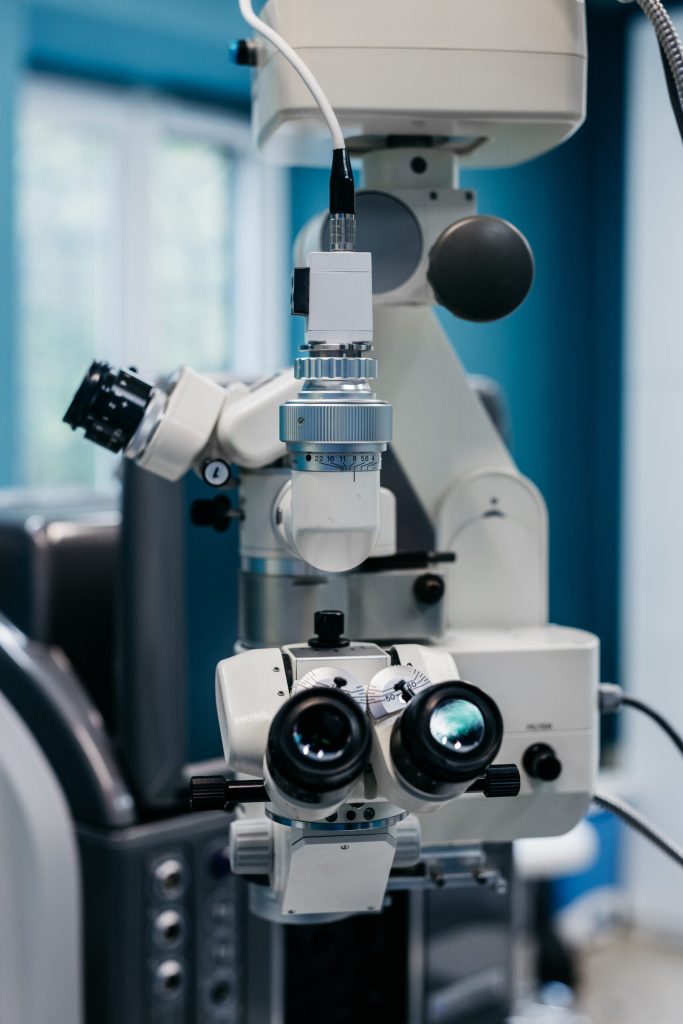
صيانة الأجهزة الطبية في السعودية 2025: موثوقية تحمي سلامة المرضى
تُعد الأجهزة الطبية من أكثر الأصول قيمة في أي مستشفى أو عيادة، لكن قيمتها الحقيقية تعتمد على الموثوقية. فعندما تُخزّن الأجهزة بطريقة غير صحيحة أو تتم صيانتها بشكل غير منتظم، قد تتعطل في لحظات حرجة، وترتفع تكاليف الإصلاح، وتتأثر العمليات اليومية داخل المنشأة. لذلك، فإن صيانة الأجهزة الطبية ليست مهمة فنية فقط، بل هي جزء أساسي من سلامة المرضى واستمرارية التشغيل.
تدعم الرابية الطبية المنشآت الصحية عبر تعزيز ممارسات عملية لصيانة الأجهزة تتوافق مع سير العمل الحقيقي، بما يساعد على تقليل التوقفات المفاجئة وإطالة العمر التشغيلي للأجهزة وتحسين جاهزية الأقسام.
لماذا تعتبر موثوقية الأجهزة الطبية مهمة للمستشفيات والعيادات؟
في بيئات العمل الصحية المزدحمة، لا يعني تعطل الجهاز مجرد تأخير بسيط، بل قد يؤدي إلى:
-
تعطيل الفحوصات والإجراءات وتأخير رعاية المرضى
-
ارتفاع تكلفة الإصلاحات الطارئة وقطع الغيار
-
زيادة استهلاك الأجهزة وتسريع الاستبدال
-
ضغط إضافي على الطاقم الطبي خلال المناوبات المزدحمة
لهذا السبب، يساهم وضع نظام صيانة واضح في الحفاظ على الأجهزة دقيقة وجاهزة وآمنة—خصوصًا الأجهزة عالية الاستخدام أو التي تتطلب معايرة دورية.
التخزين الصحيح: أول خطوة في صيانة الأجهزة الطبية
تبدأ الصيانة الفعالة بالتخزين الصحيح. يجب حفظ الأجهزة في أماكن نظيفة ومنظمة، مع حمايتها من الغبار والرطوبة والحرارة والتعامل غير الضروري.
أخطاء التخزين التي تسبب تلف الأجهزة على المدى الطويل
من أكثر المشكلات شيوعًا:
-
غرف تخزين مزدحمة وصعوبة الوصول للأجهزة
-
ضعف وضع الملصقات أو غياب علامات الجرد
-
تكديس غير مناسب أو وضع الأجهزة على أسطح غير ثابتة
-
تعرض الأجهزة لتغيرات حرارة أو رطوبة أو غبار
هذه العوامل تؤدي إلى تآكل تدريجي، وتقليل عمر الجهاز، وإهدار وقت الطاقم في البحث عن الجهاز المناسب.
أفضل ممارسة بسيطة: “إرجاع الجهاز لمكانه الثابت”
عند اعتماد روتين ثابت لإعادة الجهاز لنفس الموقع بعد الاستخدام، يقل التآكل، تزيد المسؤولية، وتتحسن سرعة الوصول للأجهزة خلال أوقات الذروة.
عادات يومية تقلل الأعطال قبل حدوثها
تعني الصيانة أيضًا بناء عادات بسيطة مرتبطة بالاستخدام اليومي. ينبغي تنظيف وتعقيم الأجهزة وفق تعليمات الشركة المصنعة، ثم فحصها مباشرة بعد الاستخدام لاكتشاف المشكلات الصغيرة مبكرًا.
فحص ما بعد الاستخدام: خطوات صغيرة بنتائج كبيرة
بعد كل استخدام، يُفضل التأكد من:
-
سلامة الأسلاك والملحقات والتوصيلات
-
عمل الشاشة والإنذارات بشكل طبيعي
-
مستوى شحن البطارية للوردية التالية
-
تسجيل أي خطأ أو صوت غير طبيعي أو ضرر ظاهر
عندما تنتظر المنشأة حتى يتعطل الجهاز بالكامل، تصبح مدة التوقف أطول وتكاليف الإصلاح أعلى.
الصيانة الوقائية والجدولة الدورية للخدمة
تساعد الصيانة الوقائية والخدمة الدورية على الحفاظ على دقة الأجهزة وجاهزيتها—خصوصًا الأجهزة التي تُستخدم بكثرة أو تحتاج معايرة.
لماذا تقلل الصيانة الوقائية التكاليف والوقت؟
-
اكتشاف الأعطال الصغيرة قبل أن تتحول لمشاكل كبيرة
-
تقليل التوقفات المفاجئة وطلبات الصيانة الطارئة
-
الحفاظ على دقة القياسات المؤثرة على القرار السريري
-
دعم الجاهزية للتدقيق والامتثال للمعايير
تشجع الرابية الطبية على الالتزام بتوصيات الشركة المصنعة وبناء جداول صيانة تتناسب مع مستوى استخدام الأجهزة.
المعايرة والدقة: عنصر حاسم للأجهزة عالية الاستخدام
تحتاج بعض الأجهزة إلى معايرة دورية للحفاظ على الدقة—خصوصًا أجهزة القياس والمراقبة والتشخيص. وعند تأخير المعايرة قد تنحرف النتائج، مما يؤثر على موثوقية العمل السريري وكفاءة سير العمليات. إن وجود جدول واضح للمعايرة خطوة عملية نحو نتائج أكثر ثباتًا ورعاية أكثر أمانًا.
أسئلة شائعة حول صيانة الأجهزة الطبية في السعودية
ما المقصود بالصيانة الوقائية في المنشآت الصحية؟
هي خطة مجدولة للفحص والتنظيف والخدمة والمعايرة لمنع الأعطال والحفاظ على موثوقية الأجهزة.
لماذا يؤثر التخزين على عمر الأجهزة؟
لأن الرطوبة والغبار والتكديس وسوء التنظيم تسبب تلفًا تدريجيًا وتقلل جاهزية الأجهزة.
كيف يمكن تقليل توقف الأجهزة في العيادات والمستشفيات؟
من خلال التخزين الصحيح، وفحص ما بعد الاستخدام، وجدولة الصيانة وفق تعليمات الشركة المصنعة.
خلاصة: ثقافة الصيانة ترفع جودة الرعاية
في 2025، صيانة الأجهزة الطبية ليست “قائمة مهام” فقط، بل نظام موثوقية يحمي سلامة المرضى واستمرارية التشغيل. وعند تحسين التخزين، وتعزيز فحوصات ما بعد الاستخدام، وتطبيق الصيانة الوقائية والمعايرة بجدول واضح، تستطيع المنشآت في السعودية تقليل الأعطال، وضبط التكاليف، وتحسين جاهزية الأجهزة. وتدعم الرابية الطبية هذا التوجه عبر حلول وممارسات تساعد المنشآت على بناء نظام صيانة عملي يناسب واقع التشغيل اليومي.
Medical Equipment Maintenance in 2025: Reliability That Protects Patient Care
Medical equipment is one of the most valuable assets in any hospital or clinic, but its true value depends on reliability. When devices are stored incorrectly or maintained inconsistently, they may fail at critical moments, increase repair expenses, and disrupt daily operations. That’s why medical equipment maintenance is not just a technical responsibility—it is a core part of patient safety, compliance, and operational continuity in Saudi Arabia’s healthcare sector.
Rabiyah Medical supports healthcare providers by promoting practical maintenance approaches that align with real clinical workflows—reducing downtime, improving staff readiness, and extending equipment lifespan through smarter routines.
Why Medical Equipment Reliability Matters in Hospitals and Clinics
In busy healthcare environments, equipment failure creates more than inconvenience. It can lead to:
-
Delays in patient care and diagnostic workflows
-
Increased emergency repair costs and spare-part spending
-
Higher device replacement rates
-
Added pressure on clinical staff during peak shifts
A structured maintenance routine helps facilities keep devices accurate, available, and safe—especially for frequently used equipment and devices requiring calibration.
Proper Storage: The First Step in Equipment Maintenance
Proper maintenance starts with proper storage. Devices should be kept in clean, organized areas where they are protected from dust, humidity, heat, and unnecessary handling.
Common Storage Problems That Cause Early Equipment Damage
Poor storage conditions often include:
-
Crowded storage rooms and blocked access paths
-
Weak labeling and missing inventory tags
-
Improper stacking or placing devices on unstable surfaces
-
Exposure to moisture, temperature fluctuations, or dust
These issues can cause gradual wear, shorten device lifespan, and force staff to waste time searching for the right device.
A Simple Best Practice: “Return-to-Home” Storage Routine
A consistent storage routine—where equipment is returned to the same location after use—reduces wear, improves accountability, and speeds up availability during busy shifts.
Daily Habits That Prevent Failures Before They Happen
Knowing how to maintain devices also means building simple habits around daily use. Equipment should be cleaned and disinfected according to manufacturer instructions, then checked immediately after use so small issues are noticed early.
Daily Post-Use Checks: Small Steps, Big Impact
After each use, teams should confirm:
-
Cables, connectors, and accessories are intact
-
Displays and alarms function normally
-
Battery status is safe for the next shift
-
Any unusual sounds, errors, or visible damage are logged
When facilities wait until a device breaks before taking action, downtime increases and repair costs rise.
Preventive Maintenance and Scheduled Servicing
Preventive checks and scheduled servicing keep equipment functioning accurately—especially for devices that require calibration or frequent use.
Why Preventive Maintenance Saves Cost and Time
-
Detects minor issues before they become major failures
-
Reduces unexpected downtime and emergency service calls
-
Maintains accurate measurements for clinical decision-making
-
Improves audit readiness and helps maintain compliance
Rabiyah Medical encourages facilities to follow manufacturer recommendations and build servicing schedules that match equipment usage levels.
Calibration and Accuracy: Critical for High-Use Devices
Some devices require regular calibration to maintain accuracy—particularly those involved in monitoring, diagnostics, and measurement. If calibration is delayed, results may drift, affecting clinical reliability and workflow efficiency. Maintaining a clear calibration schedule is a practical step toward safer and more consistent patient care.
FAQ: Medical Equipment Maintenance in Saudi Arabia
What is preventive maintenance in healthcare?
It’s a scheduled routine of checks, cleaning, servicing, and calibration to prevent breakdowns and keep devices reliable.
Why does equipment storage matter?
Poor storage can damage devices over time, reduce lifespan, and slow staff access during busy shifts.
How can clinics reduce equipment downtime?
By combining proper storage routines, daily post-use checks, and scheduled servicing based on manufacturer guidelines.
Conclusion: A Maintenance Culture Supports Better Healthcare
In 2025, medical equipment maintenance is more than a technical checklist—it’s a reliability system that protects patient safety and operational continuity. By improving storage, reinforcing daily checks, and scheduling preventive servicing, Saudi healthcare facilities can reduce downtime, control costs, and keep care delivery running smoothly. Rabiyah Medical supports this mindset by helping facilities build practical routines that fit real-world operations.