تُعد
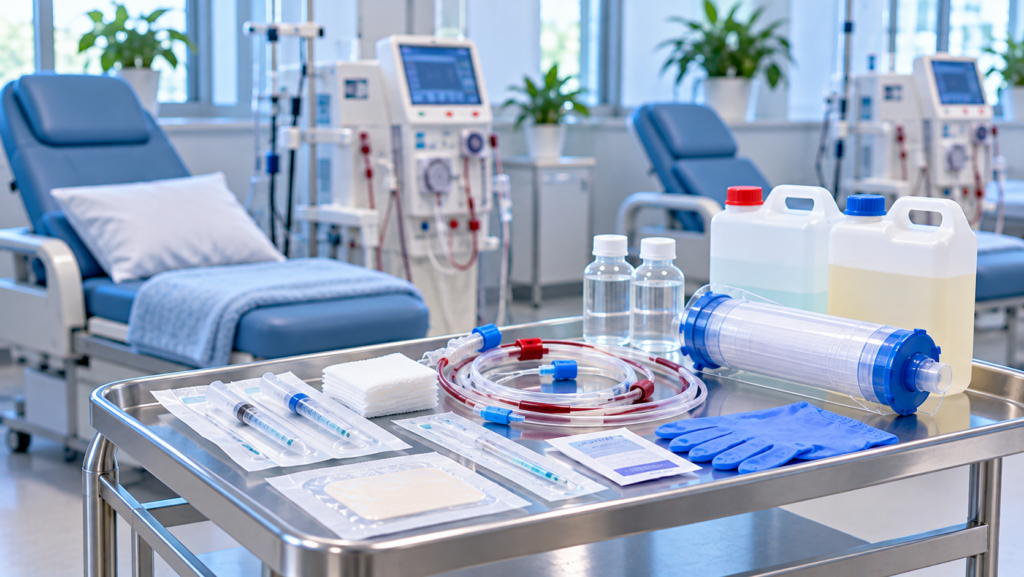
المستلزمات الطبية لمراكز غسيل الكلى من العناصر الأساسية لضمان انتظام العمليات العلاجية وتوفر المنتجات اللازمة لجلسات الغسيل. تعتمد هذه المراكز على أجهزة متخصصة ومستهلكات طبية ومستلزمات مكافحة العدوى وأنظمة معالجة المياه، مما يجعل التخطيط الدقيق للمشتريات وإدارة المخزون أمرًا بالغ الأهمية.
تختلف احتياجات مراكز غسيل الكلى عن العديد من المنشآت الصحية الأخرى، إذ تتطلب جلسات غسيل الكلى الدموي استخدام منتجات متوافقة مع الأجهزة وبمواصفات سريرية محددة. وقد يؤدي نقص أحد المستهلكات الأساسية إلى تعطيل المواعيد أو زيادة الضغط التشغيلي أو الحاجة إلى ترتيبات شراء عاجلة.
في المملكة العربية السعودية، ينبغي لفرق المشتريات مراعاة جودة المنتجات والتوافق مع الأجهزة والمتطلبات التنظيمية وموثوقية الموردين وسرعة التوزيع.
كما يتطلب التخطيط الفعال التعاون بين أطباء الكلى وفرق التمريض والهندسة الطبية ومكافحة العدوى وإدارة المستودعات.
في هذا المقال من
الرابية الطبية، نستعرض ثمانية اعتبارات أساسية تساعد على تحسين إدارة المستلزمات الطبية لمراكز غسيل الكلى وتعزيز كفاءة المشتريات واستمرارية الخدمات.
1. المستلزمات الطبية لمراكز غسيل الكلى: الأجهزة والتوافق التقني
تُعد أجهزة غسيل الكلى الدموي من المعدات الرئيسية في المراكز التي تقدم هذا النوع من العلاج.
لكن شراء الجهاز نفسه لا يمثل سوى جزء من متطلبات التجهيز والتشغيل.
ينبغي لفرق المشتريات مراعاة الملحقات المتوافقة وقطع الغيار ومتطلبات الصيانة والمستهلكات المعتمدة من الشركة المصنعة.
قد تختلف متطلبات الأجهزة بحسب الشركة والطراز، خصوصًا فيما يتعلق بأنابيب الدم والمرشحات ومحاليل الغسيل والوصلات.
ولا ينبغي افتراض إمكانية استخدام المنتجات بصورة متبادلة لمجرد تشابه وظائفها.
قبل الشراء، يجب التأكد من اسم الشركة المصنعة وطراز الجهاز والاستخدام المقصود ومواصفات التوافق.
ينبغي أيضًا إشراك فرق الهندسة الطبية في تقييم المتطلبات التقنية وترتيبات الصيانة والدعم الفني.
كما يجب مراعاة متطلبات التركيب والتحقق من الأداء وتدريب الموظفين.
بالنسبة للمراكز التي تستخدم أجهزة من طرازات مختلفة، يساعد الاحتفاظ بسجلات واضحة للتوافق على تقليل أخطاء الطلب.
يسهم التخطيط المنظم في توفير المنتجات المناسبة للأجهزة المستخدمة داخل المركز.
2. مرشحات غسيل الكلى وأنابيب الدورة الدموية الخارجية
تُعد مرشحات غسيل الكلى ومكونات الدورة الدموية الخارجية من أهم
المستلزمات الطبية لمراكز غسيل الكلى.
يساعد مرشح غسيل الكلى على تبادل المواد عبر غشاء شبه منفذ أثناء جلسة الغسيل الدموي.
تختلف المرشحات في خصائصها، مثل مادة الغشاء ومساحة سطحه ومواصفات الأداء.
ويجب اختيارها وفقًا للوصفة العلاجية والتوافق مع الجهاز وتعليمات الشركة المصنعة.
تشمل المستهلكات الأخرى مجموعات أنابيب الدم والوصلات المناسبة والمكونات اللازمة لنظام العلاج المحدد.
ينبغي التحقق من رقم المنتج وسلامة التغليف المعقم وتاريخ الصلاحية وأرقام التشغيلات عند انطباقها.
أما المنتجات المصنفة للاستخدام الواحد، فيجب التعامل معها وفقًا للاستخدام المقصود والمتطلبات المعمول بها.
ولا ينبغي الجمع بين منتجات شركات مختلفة دون التأكد من توافقها وملاءمتها السريرية.
نظرًا لتكرار جلسات الغسيل، فقد تؤدي الأخطاء البسيطة في تقدير الاستهلاك إلى اختلافات كبيرة في المخزون مع مرور الوقت.
لذلك، تُعد المواصفات الدقيقة وجداول إعادة التوريد الموثوقة ضرورية لاستمرار العمل.
3. المستلزمات الطبية لمراكز غسيل الكلى: أدوات الوصول الوعائي
تحتاج مراكز غسيل الكلى إلى مستلزمات مناسبة للتعامل مع الوصول الوعائي المستخدم أثناء العلاج.
تختلف المنتجات المطلوبة بحسب نوع الوصول الوعائي، سواء كان ناسورًا شريانيًا وريديًا أو طُعمًا وعائيًا أو قسطرة وريدية مركزية.
قد تشمل فئات المشتريات إبر الغسيل المناسبة والضمادات المعقمة والمطهرات والقفازات والمحاقن وغيرها من المستهلكات المرتبطة بالإجراءات.
يجب اختيار المنتجات المتعلقة بالقساطر وفقًا للبروتوكولات السريرية ومواصفات الأجهزة وتعليمات الشركات المصنعة.
ولا تكون جميع المستلزمات مناسبة لكل مريض أو لكل نوع من أنواع الوصول الوعائي.
ينبغي لفرق المشتريات التعاون مع الطاقم السريري لتحديد المقاسات والمواصفات وطرق التغليف المطلوبة.
تحتاج المنتجات المستخدمة في الإجراءات التداخلية إلى اهتمام خاص بالتعقيم وسلامة العبوات وتواريخ الصلاحية.
كما ينبغي وضع إجراءات واضحة للإبلاغ عن المنتجات التالفة أو غير المناسبة.
تساعد قوائم المشتريات المنظمة على تحسين تجهيز الجلسات وتقليل أخطاء الطلب.
4. أنظمة معالجة المياه ومحاليل غسيل الكلى
تمثل جودة المياه جانبًا أساسيًا في تشغيل مراكز غسيل الكلى الدموي.
تحتاج أنظمة الغسيل إلى مياه ومحاليل تستوفي متطلبات الجودة المناسبة للأجهزة والعمليات العلاجية المستخدمة.
قد تعتمد المراكز على أنظمة معالجة متخصصة تشمل التناضح العكسي ومكونات معالجة أخرى وفقًا لتصميم النظام.
تتطلب هذه الأنظمة مراقبة وصيانة دورية ومواد وقطع غيار مناسبة.
ينبغي لفرق المشتريات التعاون مع الهندسة الطبية والفرق الفنية عند شراء مكونات معالجة المياه ومستلزمات الاختبار.
قد تشمل المنتجات المرشحات المتوافقة وقطع الغيار ومواد المراقبة والمستلزمات المحددة من الشركة المصنعة.
كما تحتاج محاليل غسيل الكلى المركزة والمنتجات المرتبطة بها إلى تخطيط دقيق للشراء والتخزين.
تعتمد ملاءمة هذه المحاليل على الوصفة العلاجية وتوافق الأجهزة والمواصفات المعتمدة.
ينبغي إدارة جودة المياه ومحاليل الغسيل ضمن برنامج مراقبة وصيانة موثق ومتوافق مع المعايير ذات الصلة وتعليمات الشركات المصنعة.
ولا ينبغي أن تؤثر قرارات خفض التكاليف على ضوابط جودة المياه المعتمدة.
5. المستلزمات الطبية لمراكز غسيل الكلى: مكافحة العدوى والنظافة
تمثل منتجات مكافحة العدوى فئة أساسية ضمن
المستلزمات الطبية لمراكز غسيل الكلى.
تتضمن جلسات الغسيل تعاملًا متكررًا مع الوصول الوعائي وتلامسًا مستمرًا مع المعدات والبيئة العلاجية.
لذلك، ينبغي توفير مستلزمات مناسبة لنظافة اليدين ومعدات الوقاية الشخصية وتطهير الأسطح والتخلص الآمن من النفايات.
تشمل فئات المشتريات الشائعة القفازات الطبية والكمامات والملابس الواقية عند الحاجة ومنتجات التنظيف والتطهير المناسبة وحاويات الأدوات الحادة.
يجب اختيار المنتجات وفقًا لإجراءات مكافحة العدوى المعتمدة والاستخدام المقصود لكل منتج.
كما يجب التأكد من توافق مواد التنظيف والتطهير مع الأجهزة والأسطح المستخدمة.
ينبغي الالتزام بتعليمات الشركة المصنعة المتعلقة بالتحضير ومدة التلامس والمناولة الآمنة.
أما المنتجات ذات الاستخدام الواحد، فيجب التعامل معها وفقًا للملصقات والمتطلبات ذات الصلة.
كما ينبغي التأكد من تطبيق إجراءات فرز النفايات الطبية والتخلص منها وفقًا للمتطلبات المعمول بها.
يساعد توفر مستلزمات مكافحة العدوى باستمرار على دعم تجهيز الجلسات والمحافظة على نظافة البيئة العلاجية.
6. التخزين وتواريخ الصلاحية وتتبع المنتجات
تكتسب إدارة المخزون أهمية خاصة عند التعامل مع
المستلزمات الطبية لمراكز غسيل الكلى، لأن الجلسات تعتمد على توفر منتجات متوافقة بصورة مستمرة.
ينبغي الاحتفاظ بسجلات دقيقة تشمل أسماء المنتجات وأرقام الكتالوج والكميات وأرقام التشغيلات عند الحاجة وتواريخ الصلاحية وظروف التخزين.
يجب تنظيم مناطق التخزين للتمييز بين المنتجات المتشابهة ذات المواصفات المختلفة.
فعلى سبيل المثال، قد تتوفر مرشحات غسيل الكلى ومجموعات أنابيب الدم بطرازات متعددة، ويجب تجنب الخلط بينها.
ينبغي تخزين المنتجات وفقًا لتعليمات الشركات المصنعة وحمايتها من الظروف البيئية غير المناسبة.
يمكن تطبيق نظام
الأقرب انتهاءً يُصرف أولًا (FEFO) عندما يكون ملائمًا، لإعطاء الأولوية للمنتجات ذات تواريخ الصلاحية الأقرب.
كما تُعد سجلات التتبع مهمة عند التحقيق في شكاوى المنتجات أو التعامل مع إشعارات السحب.
ينبغي أيضًا وضع إجراءات لعزل المنتجات التالفة أو المنتهية الصلاحية أو المشكوك في حالتها.
للمزيد، يمكن قراءة مقال
إدارة انتهاء صلاحية المنتجات الطبية وكيفية تقليل الهدر.
تساعد السجلات الدقيقة على تقليل الهدر والمحافظة على توفر المستلزمات اللازمة.
7. المستلزمات الطبية لمراكز غسيل الكلى: التنبؤ بالطلب ومخزون الطوارئ
تعمل مراكز غسيل الكلى عادةً وفقًا لجداول جلسات علاجية محددة، مما يوفر فرصة للتنبؤ بالاستهلاك بصورة منظمة.
ومع ذلك، قد يتغير الاستهلاك بسبب أعداد المرضى أو تعديلات العلاج أو مشكلات الأجهزة أو اضطرابات التوريد.
ينبغي أن يراعي تخطيط
المستلزمات الطبية لمراكز غسيل الكلى عدد الجلسات المجدولة ومتوسط استهلاك المنتجات لكل جلسة والفترات اللازمة للتوريد وأهمية كل صنف.
يمكن لفرق المشتريات إعداد توقعات أساسية باستخدام بيانات الجلسات السابقة وافتراضات الاستهلاك المعتمدة.
كما يجب تحديد نقاط مناسبة لإعادة الطلب ومستويات مخزون أمان للمنتجات الضرورية.
ينبغي أن يستند مخزون الأمان إلى المخاطر التشغيلية، وليس إلى كمية ثابتة عشوائية.
قد يؤدي التخزين المفرط إلى زيادة التكاليف والخسائر الناتجة عن انتهاء الصلاحية.
ومن المهم أيضًا تحديد موردين بديلين مؤهلين للمنتجات الأساسية عندما يكون ذلك ممكنًا.
يجب إخضاع أي منتج بديل للمراجعة السريرية والتقنية المناسبة قبل استخدامه.
كما ينبغي أن تتضمن إجراءات الشراء الطارئ المسؤوليات وصلاحيات الموافقة وقنوات التواصل.
يساعد التخطيط المسبق على تقليل احتمالات تأثير اضطرابات التوريد على جلسات الغسيل المجدولة.
8. المستلزمات الطبية لمراكز غسيل الكلى: تأهيل الموردين والامتثال التنظيمي
يمثل اختيار الموردين جانبًا مهمًا في إدارة
المستلزمات الطبية لمراكز غسيل الكلى.
ينبغي تقييم الموردين بناءً على ملاءمة المنتجات ووضعها التنظيمي والمستندات وتوفر الأصناف والالتزام بالتسليم والدعم الفني عند الحاجة.
بالنسبة لمنتجات الغسيل المتخصصة، تكتسب مواصفات الشركات المصنعة والتوافق مع الأجهزة أهمية خاصة.
يجب التحقق من بيانات تعريف المنتجات والملصقات والمستندات المطلوبة قبل الشراء.
في المملكة العربية السعودية، توفر
الهيئة العامة للغذاء والدواء معلومات رسمية حول تنظيم الأجهزة الطبية والمتطلبات ذات الصلة.
ينبغي الرجوع إلى الإرشادات التنظيمية الحالية والتأكد من استيفاء المنتجات للالتزامات المناسبة.
كما يجب أن توضح اتفاقيات الموردين مواصفات المنتجات وتوقعات التسليم ومتطلبات المناولة وإجراءات معالجة الاختلافات.
ينبغي للمنشآت الصحية أيضًا مراقبة أداء الموردين بصورة دورية.
تشمل المؤشرات المفيدة دقة التسليم والالتزام بالمواعيد واكتمال المستندات وتكرار الشكاوى المتعلقة بالمنتجات.
للمزيد، يمكن الاطلاع على مقال
أداء موردي المستلزمات الطبية: 7 مؤشرات أداء رئيسية لفرق المشتريات الصحية.
يساعد التعاون مع الموردين المؤهلين على دعم انتظام العمليات داخل مراكز غسيل الكلى.
جدول المستلزمات الطبية لمراكز غسيل الكلى
يوضح الجدول التالي الفئات الرئيسية التي يمكن استخدامها عند إعداد قوائم المشتريات لمراكز الغسيل الدموي. ويجب تعديل القائمة بحسب الخدمات والأجهزة والبروتوكولات السريرية والمتطلبات التنظيمية.
| الفئة |
أمثلة على المنتجات |
اعتبارات الشراء |
| أجهزة غسيل الكلى |
أجهزة الغسيل والملحقات المتوافقة |
المواصفات والصيانة والدعم الفني |
| مستهلكات الغسيل |
المرشحات وأنابيب الدم والوصلات |
التوافق والتعقيم والمواصفات |
| الوصول الوعائي |
إبر الغسيل والضمادات ومستلزمات الإجراءات |
النوع والمقاس والملاءمة السريرية |
| معالجة المياه |
المرشحات وقطع الغيار ومواد الاختبار |
التوافق وضوابط الجودة |
| محاليل الغسيل |
المحاليل المركزة والمستلزمات المرتبطة بها |
الوصفة العلاجية ومتطلبات الأجهزة |
| مكافحة العدوى |
القفازات والمطهرات وحاويات الأدوات الحادة |
الاستخدام المناسب والمناولة الآمنة |
| إدارة المخزون |
أنظمة التخزين والملصقات وسجلات التتبع |
الصلاحية ودقة السجلات |
| الاستعداد للطوارئ |
مخزون الأمان ومصادر التوريد البديلة |
أهمية المنتج ووقت التوريد |
أخطاء شائعة عند شراء مستلزمات مراكز غسيل الكلى
قد تواجه مراكز غسيل الكلى صعوبات تشغيلية عندما تُتخذ قرارات الشراء دون تنسيق كافٍ بين الفرق السريرية والفنية.
من الأخطاء الشائعة طلب مجموعات أنابيب دم غير متوافقة مع الأجهزة، وعدم مراعاة اختلاف الطرازات، والاحتفاظ بمخزون غير كافٍ من المستهلكات الأساسية.
كما قد تشمل المشكلات إهمال تواريخ الصلاحية وشراء قطع غيار غير مناسبة والاعتماد على مصدر واحد للمنتجات الضرورية دون خطة احتياطية.
وقد تقلل بعض المنشآت من أهمية مستلزمات معالجة المياه وترتيبات الصيانة التقنية.
يساعد التخطيط المنظم لـ
المستلزمات الطبية لمراكز غسيل الكلى على تقليل هذه المخاطر.
ينبغي تحديث مواصفات المنتجات باستمرار وإشراك الفرق السريرية والهندسة الطبية في قرارات الشراء ذات الصلة.
المستلزمات الطبية لمراكز غسيل الكلى في السعودية
ينبغي للمنشآت الصحية في المملكة العربية السعودية التأكد من أن منتجات غسيل الكلى تستوفي المتطلبات التنظيمية المعمول بها وتتناسب مع الاستخدام السريري المقصود.
يجب على فرق المشتريات مراجعة مستندات الشركات المصنعة وبيانات تعريف المنتجات ومدى توافقها مع الأجهزة الموجودة.
كما ينبغي مراعاة ترتيبات التوزيع المحلية والفترات اللازمة للتوريد، خصوصًا للمنتجات المتخصصة التي قد تكون خيارات الحصول عليها محدودة.
تعتمد عمليات غسيل الكلى على التنسيق بين الأقسام السريرية والفرق الفنية والمشتريات والموردين.
ويجب مراجعة إجراءات الشراء بصورة دورية لتعكس التغيرات في الأجهزة وأعداد المرضى والمتطلبات التنظيمية.
دور الرابية الطبية في دعم المشتريات الصحية
في
الرابية الطبية، ندرك أهمية التوزيع الموثوق للمستلزمات الطبية ووجود عمليات شراء منظمة تدعم المنشآت الصحية.
تحتاج الخدمات المتخصصة، مثل غسيل الكلى، إلى مواصفات دقيقة للمنتجات وتواصل فعال مع الموردين وتخطيط مناسب للمخزون.
ومن خلال أنشطة توريد وتوزيع المستلزمات الطبية، نسعى إلى دعم المستشفيات والعيادات والمراكز الصحية في تلبية احتياجاتها الشرائية.
للمزيد حول اعتبارات التوزيع الإقليمي، يمكن الاطلاع على مقال
المستلزمات الطبية في خميس مشيط وعسير: 8 عوامل مهمة لشراكة توزيع ناجحة.
ينبغي للمنشآت الصحية التأكد مباشرةً من الموردين من توفر منتجات غسيل الكلى المتخصصة وملاءمتها قبل إصدار طلبات الشراء.
الخاتمة
تتطلب الإدارة الفعالة لـ
المستلزمات الطبية لمراكز غسيل الكلى التنسيق بين متطلبات توافق الأجهزة والمستهلكات والوصول الوعائي ومعالجة المياه ومكافحة العدوى وإدارة المخزون والتنبؤ بالطلب وتأهيل الموردين.
ومن خلال مراعاة هذه الجوانب الثمانية، يمكن لمراكز غسيل الكلى في السعودية تحسين تخطيط المشتريات وتقليل اضطرابات التوريد وتعزيز دقة المخزون.
يساعد التخطيط المنظم على دعم توفر المنتجات اللازمة لجلسات الغسيل المجدولة واستمرارية العمليات الصحية.
Medical Supplies for Dialysis Centers are essential for supporting safe, consistent, and efficient treatment operations. Dialysis facilities depend on a coordinated supply of specialized consumables, medical equipment, infection prevention products, and supporting materials to deliver scheduled treatments without avoidable interruptions.
Unlike many outpatient healthcare services, hemodialysis involves repeated treatments that depend on specific equipment and compatible consumables. A shortage of an essential item can disrupt appointment schedules, create operational pressure, and require urgent purchasing arrangements.
In Saudi Arabia, healthcare procurement teams must consider product quality, medical device compatibility, regulatory requirements, supplier availability, and reliable distribution when managing dialysis supplies.
Effective purchasing also requires coordination between nephrologists, dialysis nurses, biomedical engineers, infection prevention teams, and inventory personnel.
This guide examines eight essential considerations for selecting and managing
Medical Supplies for Dialysis Centers, with practical recommendations for healthcare facilities seeking to strengthen procurement and inventory performance.
1. Medical Supplies for Dialysis Centers: Hemodialysis Equipment and Compatibility
Hemodialysis machines are central to the operations of facilities providing conventional hemodialysis services.
However, purchasing the machine itself is only one component of dialysis equipment planning.
Procurement teams must also consider compatible accessories, replacement components, maintenance requirements, and manufacturer-approved consumables.
Different machine models may have specific requirements for bloodlines, dialyzers, concentrates, connectors, and other components.
Products should not be assumed to be interchangeable simply because they perform similar functions.
Before purchasing, healthcare facilities should confirm the equipment manufacturer, model, intended use, and compatibility specifications.
Biomedical engineering teams should participate in evaluating technical requirements, maintenance arrangements, and service support.
Facilities should also review equipment performance verification, installation requirements, and staff training needs.
For centers operating multiple machine models, maintaining clear compatibility records can reduce ordering mistakes.
A structured equipment purchasing strategy helps ensure that consumables and accessories match the facility's installed systems.
2. Dialyzers and Extracorporeal Blood Circuit Consumables
Dialyzers and extracorporeal blood circuit components are among the most important
Medical Supplies for Dialysis Centers.
A dialyzer supports the exchange of substances across a semipermeable membrane during hemodialysis.
Dialyzers differ in characteristics such as membrane material, surface area, and performance specifications.
Selection must follow clinical prescriptions, device compatibility, and manufacturer instructions.
Additional consumables may include blood tubing sets, appropriate connectors, and other components required for the prescribed treatment system.
Procurement teams should verify the product reference, sterile packaging, applicable expiration date, and relevant lot or batch information.
Where products are labeled for single use, facilities must follow their intended use and applicable requirements.
Inventory personnel should avoid combining products from different manufacturers without confirming compatibility and clinical suitability.
Because dialysis treatments occur repeatedly, even small errors in consumption forecasting can produce significant stock discrepancies over time.
Accurate purchasing specifications and reliable replenishment schedules are therefore essential.
3. Medical Supplies for Dialysis Centers: Vascular Access and Procedure Supplies
Dialysis centers require appropriate supplies for managing the vascular access used during treatment.
The specific products depend on whether patients receive treatment through an arteriovenous fistula, graft, or central venous catheter.
Common procurement categories may include appropriate dialysis needles, sterile dressings, antiseptic products, gloves, syringes, and other procedure-specific consumables.
Catheter-related products must be selected according to the clinical protocols, device specifications, and manufacturer instructions.
Not all vascular access supplies are suitable for every patient or access type.
Procurement teams should coordinate with clinical staff to determine the appropriate product sizes, specifications, and packaging configurations.
Products used in invasive procedures require particular attention to sterility, packaging integrity, and expiration dates.
Facilities should also maintain procedures for identifying and reporting damaged or unsuitable products.
A clear vascular access supply checklist can improve treatment preparation and reduce avoidable purchasing errors.
4. Water Treatment and Dialysis Fluid Requirements
Water quality is a critical operational consideration for facilities providing hemodialysis.
Hemodialysis systems require water and dialysis fluid that meet applicable quality requirements for the equipment and treatment processes.
Facilities may use specialized water treatment systems, including reverse osmosis and other treatment components, depending on the system design.
These systems require appropriate monitoring, maintenance, and replacement materials.
Procurement teams should coordinate closely with biomedical engineering and technical personnel when purchasing water treatment components and testing supplies.
Products may include compatible filters, replacement parts, monitoring materials, and other supplies specified by the system manufacturer.
Dialysis concentrates and related products also require careful purchasing and handling.
The suitability of concentrates depends on the treatment prescription, equipment compatibility, and relevant specifications.
Water and dialysis fluid quality should be managed through a validated monitoring and maintenance program aligned with applicable standards and manufacturer instructions.
Purchasing decisions should never compromise established water quality controls.
5. Medical Supplies for Dialysis Centers: Infection Prevention and Environmental Hygiene
Infection prevention products represent an essential category of
Medical Supplies for Dialysis Centers.
Dialysis treatments involve repeated vascular access and frequent contact with equipment and treatment environments.
Facilities should maintain appropriate supplies for hand hygiene, personal protective equipment, surface disinfection, and safe waste handling.
Common purchasing categories include medical gloves, masks, protective clothing where indicated, approved cleaning and disinfection products, and sharps disposal containers.
Product selection should reflect the facility's infection prevention procedures and the intended use of each item.
Cleaning and disinfection products must be compatible with the relevant equipment and surfaces.
Staff should follow the manufacturer's instructions regarding preparation, contact time, and safe handling.
Single-use products should be managed according to their labeling and applicable requirements.
Dialysis centers should also ensure that waste segregation and disposal arrangements meet relevant healthcare waste requirements.
Reliable availability of infection prevention products supports consistent treatment preparation and environmental hygiene.
6. Storage, Expiration Dates, and Product Traceability
Organized inventory management is particularly important for
Medical Supplies for Dialysis Centers because treatments depend on the continuous availability of compatible products.
Facilities should maintain accurate records of product names, catalog numbers, quantities, lot numbers where required, expiration dates, and storage conditions.
Storage areas should be arranged to distinguish between similar products with different specifications.
For example, dialyzers and blood tubing sets may have multiple models or configurations that must not be confused.
Products should be stored according to manufacturer instructions and protected from unsuitable environmental conditions.
Where applicable, the First-Expired, First-Out (FEFO) approach can help prioritize products with earlier expiration dates.
Traceability records are important when investigating product complaints or responding to recalls.
Facilities should also establish procedures for segregating damaged, expired, or questionable products.
For further guidance, read
Medical Product Expiry Management: How Healthcare Facilities Can Reduce Waste and Maintain Readiness.
Accurate inventory records help reduce waste and support reliable product availability.
7. Medical Supplies for Dialysis Centers: Demand Forecasting and Emergency Stock
Dialysis centers often operate according to planned treatment schedules, creating opportunities for structured demand forecasting.
However, actual consumption can change because of patient volumes, treatment modifications, equipment issues, or supply disruptions.
Effective
Medical Supplies for Dialysis Centers planning should consider scheduled treatment sessions, expected product consumption per session, supplier lead times, and the criticality of individual products.
Procurement teams can develop baseline forecasts using historical treatment volumes and approved consumption assumptions.
They should also establish appropriate reorder points and safety stock levels for essential products.
Safety stock should be based on operational risk rather than an arbitrary fixed quantity.
Excessive inventory can create unnecessary costs and expiration-related losses.
Facilities should identify qualified alternative suppliers for critical products where feasible.
Any substitute product must undergo appropriate clinical and technical review before use.
An emergency purchasing procedure should identify responsible personnel, approval processes, and communication arrangements.
Preparedness planning helps reduce the likelihood that supply disruptions will affect scheduled dialysis services.
8. Medical Supplies for Dialysis Centers: Supplier Qualification and Regulatory Compliance
Supplier selection is an important part of managing
Medical Supplies for Dialysis Centers.
Procurement teams should evaluate suppliers based on product suitability, regulatory status, documentation, availability, delivery reliability, and technical support where relevant.
For specialized dialysis products, compatibility and manufacturer specifications are particularly important.
Facilities should verify relevant product identification, labeling, and required documentation before purchasing.
In Saudi Arabia, the
Saudi Food and Drug Authority (SFDA) provides official information about medical device regulation and applicable requirements.
Procurement teams should consult current regulatory guidance and ensure that purchased products meet relevant obligations.
Supplier agreements should clearly address product specifications, delivery expectations, handling requirements, and procedures for managing discrepancies.
Healthcare organizations should also monitor supplier performance.
Useful indicators include delivery accuracy, on-time delivery, documentation completeness, and the frequency of product-related complaints.
For more guidance, see
Medical Supplier Performance: 7 KPIs Healthcare Procurement Teams Should Track.
Qualified suppliers and clear purchasing arrangements help support consistent dialysis operations.
Practical Medical Supplies for Dialysis Centers Checklist
The following checklist provides a general purchasing reference for facilities providing hemodialysis. It should be adapted to the treatment services, equipment models, clinical protocols, and applicable requirements of each center.
| Category |
Examples |
Key Purchasing Considerations |
| Dialysis equipment |
Hemodialysis machines, compatible accessories |
Technical specifications, maintenance |
| Dialysis consumables |
Dialyzers, blood tubing sets, connectors |
Compatibility, sterility, specifications |
| Vascular access |
Dialysis needles, dressings, procedure supplies |
Access type, size, clinical suitability |
| Water treatment |
Filters, replacement components, testing materials |
System compatibility, quality controls |
| Dialysis fluid |
Compatible concentrates and related supplies |
Prescription, equipment requirements |
| Infection prevention |
Gloves, disinfectants, sharps containers |
Intended use, safe handling |
| Inventory management |
Storage systems, labels, traceability records |
Expiration dates, stock accuracy |
| Emergency readiness |
Safety stock, approved alternative sources |
Criticality, replenishment time |
Common Procurement Mistakes in Dialysis Centers
Dialysis centers may encounter operational difficulties when purchasing decisions are made without sufficient clinical and technical coordination.
Common mistakes include ordering incompatible blood tubing sets, failing to account for equipment model differences, and maintaining inadequate stock of essential consumables.
Other problems include overlooking expiration dates, purchasing unsuitable replacement components, and relying on a single source for critical products without contingency planning.
Facilities may also underestimate the importance of water treatment supplies and technical maintenance arrangements.
A structured approach to
Medical Supplies for Dialysis Centers helps reduce these risks.
Procurement teams should maintain updated product specifications and involve clinical and biomedical engineering personnel in relevant purchasing decisions.
Medical Supplies for Dialysis Centers in Saudi Arabia
Healthcare facilities in Saudi Arabia should ensure that dialysis products meet applicable regulatory requirements and are appropriate for their intended clinical use.
Purchasing teams should verify relevant manufacturer documentation, product identification, and compatibility with installed equipment.
Centers should also consider local distribution arrangements and delivery lead times, particularly for specialized products with limited sourcing options.
Dialysis operations depend on coordinated planning between clinical departments, technical teams, procurement personnel, and suppliers.
Facilities should review their purchasing procedures regularly to reflect changes in equipment, patient volumes, and regulatory requirements.
How Rabiyah Medical Supports Healthcare Procurement
At
Rabiyah Medical, we recognize the importance of dependable medical supply distribution and organized purchasing processes for healthcare facilities.
Specialized services such as dialysis require accurate product specifications, reliable supplier communication, and careful inventory planning.
Through our medical supply and distribution activities, we aim to support healthcare organizations in meeting their procurement requirements.
For additional information about regional distribution considerations, explore
Medical Supplies in Khamis Mushait and Asir: 8 Important Factors for a Successful Distribution Partnership.
Healthcare facilities should confirm the availability and suitability of any specialized dialysis products directly with their suppliers before placing orders.
Conclusion
Effective management of
Medical Supplies for Dialysis Centers requires coordination across equipment compatibility, dialysis consumables, vascular access products, water treatment, infection prevention, inventory control, demand forecasting, and supplier qualification.
By addressing these eight essential considerations, dialysis centers in Saudi Arabia can strengthen procurement planning, reduce avoidable supply disruptions, and improve inventory accountability.
A structured purchasing approach supports the reliable availability of products required for scheduled dialysis treatments and ongoing healthcare operations.