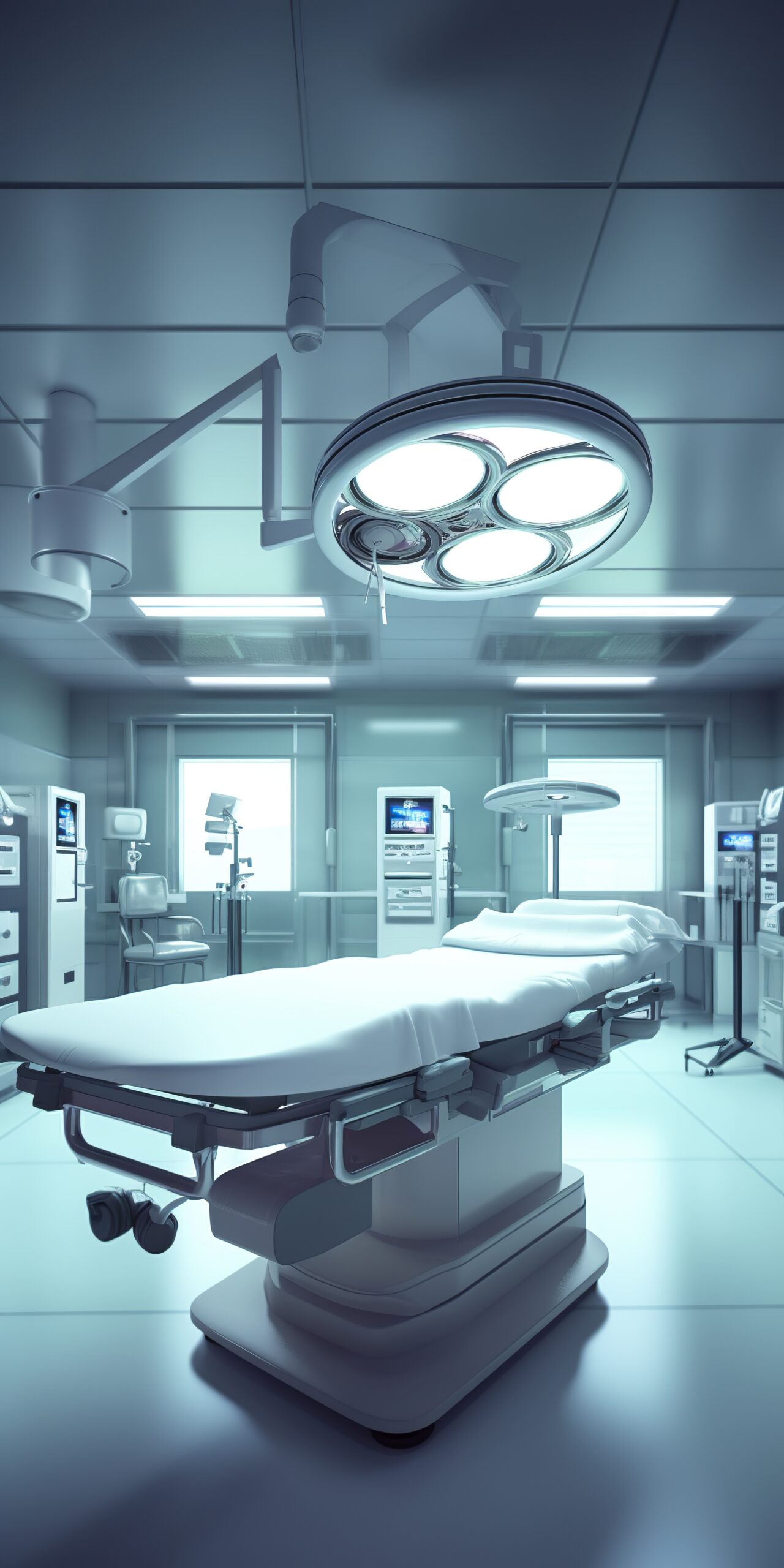
Introduction: Why “Hospital-Grade Equipment” Matters
When people search for hospital grade equipment, they’re usually looking for one thing: confidence. Hospitals and clinical environments rely on devices that must perform accurately and consistently—often 24/7—under strict safety and infection control requirements. At the same time, consumer-grade or home-use devices have improved dramatically in recent years, making healthcare monitoring more accessible for families and caregivers.
So what’s the real difference between hospital-grade and consumer-grade medical equipment? Understanding these differences helps hospitals, clinics, and even home-care providers choose the right device for the right setting. For organizations working with a trusted supplier like Rabiyah Medical, choosing correctly also means ensuring regulatory readiness, maintenance support, and reliable supply.
1) Intended Use: Clinical Workflows vs Home Convenience
The most important difference is intended use. Hospital-grade devices are designed for professional clinical workflows—ICUs, operating rooms, emergency departments, wards, outpatient clinics, and ambulances. Consumer-grade devices are designed for home settings where the user may have limited training.
Hospital-grade equipment is built for:
-
Continuous operation and frequent patient turnover
-
Integration into clinical protocols and staff routines
-
Rapid decision-making where accuracy is critical
Consumer-grade equipment is built for:
-
Occasional use (daily checks or symptom tracking)
-
Simple interfaces and minimal setup
-
Comfort, portability, and affordability
Example: A hospital-grade vital signs monitor is designed to measure and trend parameters reliably throughout a shift, often with alarms and advanced sensors. A home monitor may be suitable for basic tracking, but not for high-acuity clinical decisions.
2) Accuracy, Tolerance, and Clinical Reliability
Accuracy is not only about a single measurement—it’s about stability across time, conditions, and different users. Hospital-grade medical equipment typically undergoes more rigorous validation and testing because it is used to guide diagnosis and treatment.
What “hospital-grade” usually implies:
-
Higher accuracy and tighter tolerances
-
Better signal processing (reducing noise and motion artifacts)
-
Stronger performance across challenging conditions (movement, humidity, frequent use)
Consumer-grade devices can still be accurate, but they are often optimized for typical home conditions and may have fewer clinical-grade sensors or advanced calibration features.
3) Durability and Duty Cycle: Built for 24/7 Use
Hospitals don’t use devices a few minutes a day. They run them constantly. That’s why hospital grade equipment is engineered for high “duty cycles”—meaning it can operate continuously with minimal downtime.
Hospital-grade durability features:
-
Stronger materials and protective casings
-
Components designed for repeated cleaning and disinfection
-
Longer operational lifespans
-
Better resistance to drops, spills, and intensive handling
Consumer-grade durability is usually:
-
Designed for lighter use
-
Less resistant to aggressive disinfectants
-
Shorter expected lifespan
This matters in procurement: hospitals often calculate total cost over years, including maintenance, replacement parts, and uptime reliability.
4) Safety Standards, Certifications, and Regulatory Expectations
Medical equipment safety is critical. Hospital environments require compliance with strict electrical and performance safety standards, and healthcare buyers often request documentation packages, certifications, and traceability.
Common hospital expectations include:
-
Compliance with recognized quality and safety frameworks
-
Clear labeling and instructions for use
-
Documentation for audits and tenders
In Saudi Arabia, healthcare organizations commonly prioritize suppliers who can support documentation readiness and alignment with national requirements. Rabiyah Medical can add value by helping clients access device documentation, recommended usage guidance, and ongoing support.
5) Infection Control and Cleanability
Infection prevention is a major factor in hospitals. Hospital-grade devices are designed to tolerate frequent disinfection using hospital-approved cleaning protocols and chemicals.
Hospital-grade infection-control design often includes:
-
Smooth surfaces and fewer crevices
-
Durable seals and protected ports
-
Materials compatible with frequent wiping and disinfectants
Consumer devices may not be designed for repeated exposure to strong disinfectants, which can degrade plastics, screens, or seals over time.
6) Alarms, Monitoring Features, and Clinical Integration
Many hospital-grade devices include advanced features that consumer models may not, such as:
-
Multi-parameter monitoring and trending
-
Alarm systems for safety thresholds
-
Compatibility with clinical environments (mounting options, durable connectors)
-
Possible connectivity with hospital workflows (depending on model)
Consumer devices may offer smartphone connectivity and convenience features, but they often lack robust alarm systems or clinical-grade trend reporting required in acute care settings.
7) Maintenance, Calibration, and After-Sales Support
A major differentiator is service. Hospital-grade equipment typically requires:
-
Preventive maintenance schedules
-
Calibration and performance verification
-
Spare parts availability
-
Service contracts for uptime
Consumer devices often have simpler maintenance needs, but limited serviceability—sometimes replacement is cheaper than repair.
Why this matters for buyers
Hospitals and clinics must minimize downtime and keep devices within safe operating parameters. A supplier like Rabiyah Medical can support this by helping clients select serviceable equipment, plan maintenance cycles, and secure dependable supply of accessories and consumables.
Conclusion: Choosing the Right Equipment for the Right Setting
In summary, hospital grade equipment is designed for clinical accuracy, continuous use, strict safety requirements, and infection control—supported by maintenance and documentation practices that fit professional healthcare environments. Consumer-grade equipment is designed for accessibility, ease-of-use, and home convenience.
If you are a hospital, clinic, or home-care provider building a reliable equipment plan in Saudi Arabia, working with a trusted supplier like Rabiyah Medical helps ensure you select the right category, receive appropriate documentation, and maintain continuity of supply and support.