
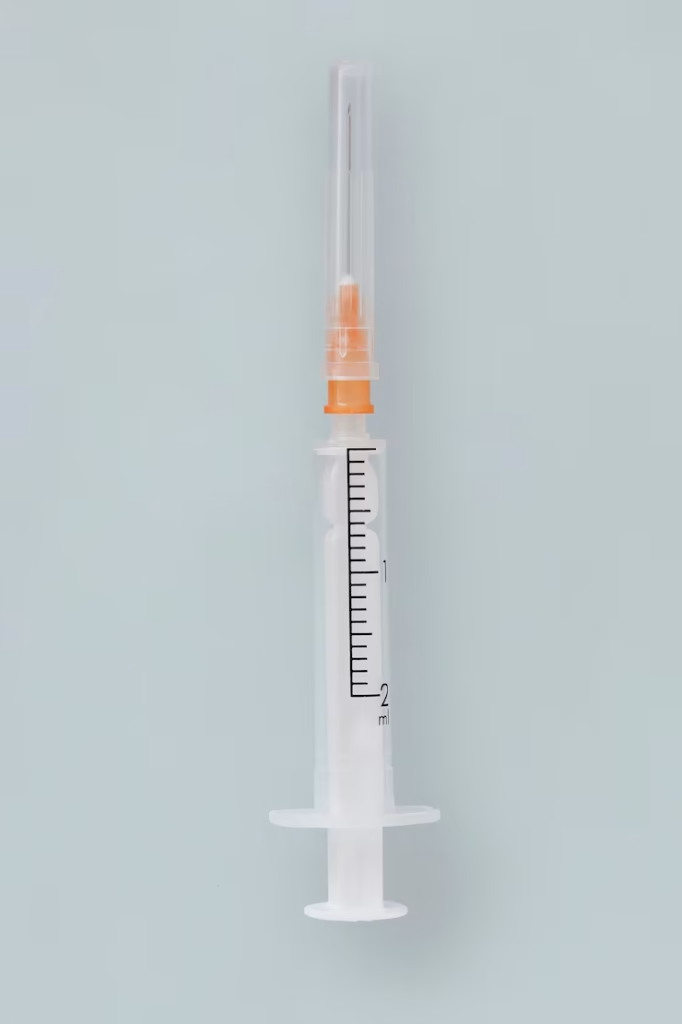
مستلزمات السرنجات والإبر هي ما يمنع تعطل العيادة عند أول ضغط
قد تقدم العيادة خدمة طبية ممتازة، لكن يمكن أن تتعطل تجربة المريض بالكامل إذا لم تتم حقنة في موعدها بسبب نقص بسيط. لهذا السبب، مستلزمات السرنجات والإبر ليست “تفاصيل صغيرة”؛ هي مستهلكات تشغيليّة حاسمة تؤثر مباشرة على سرعة المواعيد، واستمرارية التطعيمات، وسير عيادات الجروح، وسلامة الطاقم. عندما ينقص مقاس سرنجة مناسب أو قياس إبرة مطلوب أو حاوية أدوات حادة قرب نقطة الحقن، تتحول المشكلة بسرعة إلى: تأخير علاج، استجداء مخزون من غرفة أخرى، ارتجال في البدائل، وزيادة مخاطر السلامة.
هذا الدليل يشرح ماذا يجب أن توفر العيادات لتجنب التأخير: قائمة المستلزمات الأساسية، توحيد الأصناف لتقليل الأخطاء والهدر، ربط المقاسات بنوع الإجراء، توزيع المخزون في نقطة الرعاية، ووضع قواعد مخزون تمنع النفاد. كما يوضح كيف تدعم الرابية الطبية العيادات عبر توريد ثابت وتوحيد منتجات عالية الاستهلاك وتقليل الشراء الطارئ الذي يربك الجودة.
لماذا تتأخر العيادات بسبب مستهلكات حقن “أساسية”؟
كثير من العيادات تفترض أن السرنجات والإبر متوفرة دائمًا، لكن التأخير يحدث عندما ينقص “التركيبة الصحيحة” للإجراء، وليس مجرد وجود سرنجة عامة.
أسباب شائعة للتأخير:
-
توفر حجم واحد فقط من السرنجات بينما الإجراء يحتاج حجمًا آخر.
-
نقص قياسات إبر محددة (القطر/الطول) فتضطر الممرضة لبديل غير مريح.
-
امتلاء حاوية الأدوات الحادة أو عدم وجودها قرب نقطة الحقن.
-
نفاد مسحات الكحول أو القطن/الشاش أو اللاصق البسيط.
-
عدم توفر قفازات بالمقاس المناسب في الغرفة.
-
وجود المخزون في المستودع المركزي وليس في غرفة الحقن.
-
تغيير العلامات التجارية باستمرار مما يربك الطاقم ويبطئ التحضير.
نجاح مستلزمات السرنجات والإبر يعتمد على بناء “منظومة حقن” كاملة وليس شراء صنف واحد.
مستلزمات السرنجات والإبر: قائمة أساسية يجب أن تتوفر دائمًا
كل عيادة تختلف حسب تخصصها، لكن أغلب العيادات تحتاج منظومة مشتركة.
السرنجات (حسب الاستخدام)
يفضل اختيار أحجام تناسب خدمات العيادة:
-
أحجام صغيرة للجرعات الدقيقة
-
أحجام شائعة للحقن الروتيني
-
أحجام أكبر للإجراءات الخاصة (إن وجدت في العيادة)
أفضل ممارسة: قلل التنوع إلى ما يُستخدم فعليًا حتى لا تكدّس أصنافًا تربك المخزون.
الإبر (حسب القياس والطول)
اختيار الإبرة يعتمد على نوع الحقن ونوع المريض. لذلك وفّر:
-
قياسات مناسبة للحقن العضلي الأكثر شيوعًا
-
قياسات مناسبة للحقن تحت الجلد
-
خيارات إضافية إذا كان لديك فئات مرضى خاصة أو خدمات مختلفة
أفضل ممارسة: أنشئ “خريطة إجراء → إبرة” واعتمدها في كل الغرف.
سلامة الأدوات الحادة (غير قابل للتفاوض)
لا يوجد حقن آمن بدون التخلص الفوري من الأدوات الحادة.
قائمة مطلوبة:
-
حاويات أدوات حادة بأحجام متعددة
-
حوامل جدارية أو تثبيت آمن
-
تعليمات حد الامتلاء ورؤية واضحة للخط
-
حاويات نقل محكمة عند الحاجة
التحضير الجلدي ومستهلكات صغيرة
أكثر العناصر التي تُنسى ثم توقف العمل:
-
مسحات كحول
-
قطن أو شاش صغير
-
لاصق طبي/ضمادات صغيرة
-
أربطة سحب دم إذا كانت العيادة تقدم خدمة سحب دم
معدات وقاية وعناصر عدوى أساسية
حسب سياسة العيادة ونوع الإجراء:
-
قفازات بمقاسات متعددة
-
كمامات حسب سياسة المنشأة
-
حماية عين عند وجود احتمال رذاذ (أسنان/جروح… حسب الخدمة)
-
معقم يدين قرب نقطة الحقن
النفايات والتنظيف
-
سلة نفايات سريرية بغطاء (يفضل تشغيل قدم)
-
بطانات مناسبة
-
وصول سهل لأدوات التعامل مع الانسكاب قرب المناطق عالية الاستخدام
تكتمل منظومة مستلزمات السرنجات والإبر عندما تكون هذه العناصر متوفرة معًا، لا بشكل منفصل.
مستلزمات السرنجات والإبر: توحيد الأصناف لتقليل الأخطاء والهدر
التوحيد يقلل الارتباك ويمنع اختلاف الجودة الذي يرهق الطاقم.
ما الذي يحدث عندما تتغير المنتجات دائمًا؟
-
عبوات مختلفة وترتيب مختلف → وقت أطول في التحضير
-
إحساس مختلف في الإبرة/السرنجة → تردد ورفض من الطاقم
-
اختلاف في المقاسات أو العلامات → أخطاء انتقاء
-
مخزون مكدس من أصناف متعددة → هدر وشراء طارئ
ما الذي يوحَّد أولًا؟
-
أحجام السرنجات الأكثر استخدامًا
-
قياسات الإبر المرتبطة بإجراءات العيادة
-
حجم حاوية الأدوات الحادة حسب نوع الغرفة
-
نوع مسحات الكحول والضمادات الصغيرة
نموذج عملي: أساسي + بديل
-
صنف أساسي معتمد لكل فئة
-
صنف بديل معتمد مسبقًا
وبذلك تمنع العيادة الارتجال عند حدوث نقص.
التوحيد يجعل مستلزمات السرنجات والإبر “متوقعة” — وهذا أساس السرعة.
مستلزمات السرنجات والإبر: ربط المستلزمات بالإجراءات
ليس كل حقن متشابه. أنشئ قائمة إجراءات العيادة:
-
تطعيمات
-
حقن عضلية روتينية
-
حقن تحت الجلد
-
تخدير موضعي إن كان ضمن الخدمات
-
إجراءات صغيرة تتطلب سحب/شفط أو غسل (حسب طبيعة العيادة)
-
سحب دم إن وجد
ثم اربط:
-
حجم السرنجة
-
قياس الإبرة
-
مكان حاوية الأدوات الحادة
-
مسحات الكحول والضمادات
هذا يقلل البدائل العشوائية ويمنع التأخير.
مستلزمات السرنجات والإبر: قواعد توزيع المخزون داخل العيادة
وجود المخزون في المخزن المركزي لا يمنع التأخير. المهم هو التوفر في نقطة الرعاية.
قواعد فعالة
-
حاوية أدوات حادة في متناول اليد عند كل نقطة حقن
-
درج/صندوق حقن ثابت في كل غرفة علاج
-
غرفة التطعيم لها مخزون مخصص + جدول تعبئة
-
منطقة الفرز أو الرعاية العاجلة لها “حزمة سريعة” للحقن
ترتيب مقترح لغرفة الحقن
-
قفازات (مع مقاسات قريبة)
-
مسحات كحول
-
سرنجات في حاويات معنونة
-
إبر مرتبة حسب القياس
-
حاوية أدوات حادة مثبتة
-
ضمادات/لاصق
-
سلة نفايات للمواد الملوثة
التكرار في ترتيب الغرف يقلل أخطاء الطاقم ويزيد السرعة.
مستلزمات السرنجات والإبر: ضبط المخزون لمنع النفاد
معظم حالات النفاد سببها “غياب قاعدة إعادة طلب”، وليس ارتفاع الطلب فقط.
نموذج حد أدنى/أعلى
لكل صنف:
-
حد أدنى (نقطة إعادة طلب)
-
حد أعلى لتجنب التكدس
-
مخزون أمان يغطي مدة التوريد + الذروة
مستويات لكل غرفة
إذا العيادة متعددة الغرف:
-
حد أدنى لكل غرفة
-
حد أدنى للمخزن المركزي
-
جدول تعبئة (يومي للعيادات عالية الحجم، أسبوعي لغير ذلك)
متابعة الاستهلاك الحقيقي
تابع “كم صندوق استُهلك” وليس “كم طلبنا”. لأن الاستعارة بين الغرف قد تخفي المشكلة.
تحسين ضبط مستلزمات السرنجات والإبر يبدأ من بيانات بسيطة لكن ثابتة.
مستلزمات السرنجات والإبر: كيف تستعد العيادة لفترات الذروة؟
فترات الذروة غالبًا معروفة:
-
حملات المدارس
-
ارتفاع المراجعين في مواسم معينة
خطوات بسيطة:
-
رفع مخزون الأمان قبل الذروة بـ 4–6 أسابيع
-
زيادة عدد حاويات الأدوات الحادة أو سرعة استبدالها
-
مضاعفة مسحات الكحول والضمادات (تنفد أولًا)
-
تدريب سريع على البدائل المعتمدة إن لزم
مستلزمات السرنجات والإبر: مؤشرات جودة عملية يجب الانتباه لها
الجودة تظهر في الاستخدام اليومي، لا في الوصف فقط.
مؤشرات جودة السرنجات
-
حركة مكبس سلسة
-
تدرج واضح
-
تغليف سليم
-
عيوب قليلة ومتسقة
مؤشرات جودة الإبر
-
ثبات الأداء وتقليل انزعاج المريض
-
اتصال ثابت
-
تغليف واضح
-
وسم واضح للقياس والطول
مؤشرات جودة حاوية الأدوات الحادة
-
إغلاق آمن
-
خط امتلاء واضح
-
تثبيت ثابت
-
مقاومة للانقلاب
اختيار الأرخص دون تقييم جودة يخلق كلفة غير مباشرة: تأخير، هدر، شكاوى، وربما حوادث.
مستلزمات السرنجات والإبر: أساسيات سلامة الحقن
لا يمكن فصل الحقن عن السلامة.
قواعد الأدوات الحادة:
-
التخلص الفوري
-
عدم تجاوز حد الامتلاء
-
استبدال وفق جدول
-
عدم نقل أدوات حادة مكشوفة
-
الإبلاغ الفوري عن أي تعرض
ويفضل وجود مسار واضح لتسجيل الحوادث وتعلم الدروس.
كيف تدعم الرابية الطبية جاهزية المستهلكات؟
الرابية الطبية يمكنها دعم العيادات عبر:
-
توريد ثابت لمستهلكات الحقن الأكثر استخدامًا
-
المساعدة في توحيد الأصناف وتقليل التشتت
-
تقليل الشراء الطارئ والبدائل غير المضبوطة
-
دعم المستلزمات المكملة (حاويات أدوات حادة، مسحات، ضمادات، قفازات)
-
مواءمة دورات التوريد مع الاستهلاك الحقيقي
عندما تستقر مستلزمات السرنجات والإبر، تتحسن سرعة العيادة وسلامة الطاقم وتجربة المريض.
خطة تطبيق خلال 30 يومًا
الأسبوع 1: حصر الإجراءات + تحديد أكثر الأصناف استهلاكًا
الأسبوع 2: توحيد الأصناف + اعتماد بديل
الأسبوع 3: حد أدنى/أعلى + مستويات لكل غرفة
الأسبوع 4: تدريب سريع + تدقيق حاويات الأدوات الحادة + تعديل الإعداد
خلاصة
مستلزمات السرنجات والإبر ليست بندًا ثانويًا؛ هي ما يحدد إن كانت العيادة ستعمل بسلاسة أو ستتعطل عند أول ضغط. التوحيد، التوزيع في نقطة الرعاية، قواعد مخزون بسيطة، سلامة الأدوات الحادة، وتجهيز الذروة—كلها تمنع تأخير العلاج وترفع السلامة. ومع دعم توريد ثابت من الرابية الطبية، تصبح خدمة الحقن أكثر استقرارًا وأقل فوضى.
syringes and needles supplies keep clinics moving when demand spikes.
A clinic can deliver excellent medical care, yet still frustrate patients and staff if a simple injection can’t happen on time. That’s why syringes and needles supplies are not “small items.” They are workflow-critical consumables that directly affect appointment speed, treatment continuity, vaccination programs, wound care routines, and patient safety. When clinics run short on the right syringe volume, the right needle gauge, or the right sharps container at point of care, the problem escalates fast: injections are delayed, nurses borrow between rooms, workflows break into improvisation, and safety risk increases.
This guide explains what clinics should stock to avoid treatment delays, how to standardize syringes and needles supplies without wasting money, how to match products to clinical use cases, and how to build a replenishment system that prevents stockouts. It also shows how Rabiyah Medical can support clinics by supplying consistent consumables, helping standardize high-usage items, and reducing emergency purchasing that often leads to quality inconsistency.
Why clinics experience treatment delays from “basic” injection items
In many clinics, injection materials are treated as routine. The assumption is: “We always have syringes.” But delays happen when the clinic is missing the exact combination needed for the procedure, not just “a syringe.”
Common delay triggers include:
-
Only one syringe size is available, but the procedure requires another.
-
Needle gauge/length is missing, forcing substitutions that staff are not comfortable with.
-
Sharps containers are full or unavailable at the injection station.
-
Alcohol swabs, cotton, or small dressings run out mid-session.
-
PPE (gloves or masks, depending on your policy) is not available in the room.
-
Stock is in a central store but not at point of care.
-
Brands and models change frequently, confusing staff and increasing setup time.
A stable syringes and needles supplies program focuses on the full injection workflow—not just buying boxes.
syringes and needles supplies: the clinic essentials list (core stock)
Every clinic’s scope is different, but most outpatient settings require a core injection “ecosystem.” Stocking only syringes and needles is not enough.
Syringes (by common use cases)
Clinics typically need a set of syringe volumes that match their service lines:
-
low-volume syringes for small-dose injections and precision tasks
-
standard-volume syringes for routine IM/SC injections
-
larger-volume syringes for irrigation or specific procedures (depending on clinic services)
Best practice: limit options to what you actually use. Too many volumes create confusion and overstock.
Needles (gauge and length variety)
Needle selection depends on patient profile and injection type. Clinics should stock:
-
standard gauge/length options for common IM injections
-
options appropriate for subcutaneous injections
-
shorter options for specific patient groups or procedures (as clinically appropriate)
Best practice: create a “procedure-to-needle” chart and standardize it across rooms.
Sharps safety (non-negotiable)
No injection workflow is safe without point-of-use sharps disposal.
Required items
-
sharps containers (multiple sizes)
-
brackets or secure holders
-
replacement schedule guidance and fill-line visibility
-
sealed transport containers if your workflow uses internal waste movement
Skin prep and small consumables
These items are frequently underestimated until they run out:
-
alcohol swabs
-
cotton balls or gauze pads
-
small adhesive dressings
-
skin marker pens (if used for procedures)
-
tourniquets (if clinic includes blood draw services)
PPE and basic infection control items
Based on clinic policy and procedure type:
-
gloves (multiple sizes)
-
masks (as required)
-
eye protection for splash-risk procedures (if applicable)
-
hand hygiene products near injection points
Waste and cleanup basics
-
clinical waste liners/bags for contaminated materials
-
pedal bins or lidded bins in procedure rooms
-
spill kit access nearby (especially for high-volume vaccination or wound care clinics)
A complete syringes and needles supplies setup prevents “we have syringes but we can’t do the injection” situations.
syringes and needles supplies: standardization that reduces errors and cost
Standardization is the fastest way to reduce confusion and prevent delays. Clinics that purchase many brands and models often face:
-
different packaging layouts
-
different needle hub feels
-
inconsistent quality or sharpness perception
-
staff hesitation and slower setup
-
higher waste due to mismatched stock
What to standardize first
-
Top syringe volumes you use daily
-
Top needle types per procedure
-
Sharps container size per room type
-
Alcohol swab and dressing format
Keep a “primary + backup” model
A good system uses:
-
one primary product per category
-
one backup option approved in advance
This avoids uncontrolled substitutions during shortages.
Why standardization improves safety
When staff know exactly what they will find in each room, they:
-
prepare faster
-
make fewer errors
-
are less likely to use the wrong needle type
-
follow sharps disposal consistently
-
spend less time searching and more time treating
Standardization makes syringes and needles supplies predictable—which is the core of clinic efficiency.
syringes and needles supplies: matching supplies to procedures
Not all injections are the same. A clinic should align supplies to its procedure portfolio. Consider creating a “procedure map” such as:
-
Vaccination injections
-
Routine IM medication injections
-
Subcutaneous injections (e.g., chronic therapy support)
-
Local anesthetic injections (if applicable to the clinic scope)
-
Minor procedures requiring irrigation or aspiration (if applicable)
-
Blood draw / phlebotomy supplies (if within service lines)
Then match:
-
syringe volume
-
needle gauge/length
-
sharps disposal placement
-
skin prep items
-
PPE needs
This is how you prevent last-minute improvisation.
syringes and needles supplies: point-of-care placement rules
Inventory in a central store doesn’t prevent delays. Supplies must be placed where care happens.
High-impact placement rules
-
Every injection or vaccination area must have a sharps container within arm’s reach.
-
Procedure rooms should have a consistent “injection drawer” layout.
-
Vaccination rooms should have dedicated bulk supplies and a refill routine.
-
Triage or urgent care areas should have quick-access kits for injections.
Clinic rooms: recommended layout
A fast clinic room setup usually includes:
-
glove box holder (multiple sizes nearby if possible)
-
alcohol swabs within reach
-
standard syringe volumes in labeled bins
-
needles organized by type
-
sharps container mounted or secured
-
small dressings accessible
-
waste bin for contaminated materials
A consistent layout reduces the time staff spend searching and lowers mistakes.
syringes and needles supplies: inventory control that prevents stockouts
Most stockouts are not caused by “high demand.” They are caused by weak reorder rules.
Use min/max levels (simple and effective)
For each syringe/needle SKU:
-
Minimum (reorder point): when you hit this, reorder immediately
-
Maximum: don’t exceed this to avoid waste and congestion
-
Safety stock: cover lead time and short spikes
Add department-level par levels
If the clinic has multiple rooms or branches, set:
-
par level per room (what must be inside that room)
-
par level per central store (backup stock)
-
refill schedule (daily for high-volume clinics, weekly for lower-volume clinics)
Track usage, not “orders”
Orders can be misleading if staff borrow between rooms. Track:
-
weekly box consumption by room or department
-
which needle types disappear fastest
-
which sizes are overstocked and expire (or become unused)
This improves your syringes and needles supplies forecast.
syringes and needles supplies: preventing treatment delays during peak seasons
Many clinics have predictable peaks:
-
vaccination seasons
-
school requirements and campaigns
-
seasonal illness periods
-
chronic patient follow-ups clustered in certain months
Peak-season preparation steps
-
Increase safety stock for your top SKUs 4–6 weeks ahead.
-
Validate that sharps container replacement cadence matches volume.
-
Confirm extra alcohol swabs and dressings (these run out first).
-
Ensure staff know backup options if a specific needle type becomes limited.
A clinic can handle demand spikes smoothly if syringes and needles supplies are planned early.
syringes and needles supplies: quality checks clinics should apply
“Quality” isn’t just a certificate. Clinics can apply practical checks:
Syringe quality indicators
-
smooth plunger movement
-
accurate gradation visibility
-
consistent packaging and sterility integrity
-
no frequent defects across boxes
Needle quality indicators
-
consistent sharpness perception (reduces patient discomfort)
-
stable hub connection
-
packaging integrity
-
consistent labeling for gauge/length
Sharps container quality indicators
-
secure closure
-
clear fill line
-
stable mounting
-
resistance to tipping
When clinics ignore quality and choose the cheapest option, they often pay later in:
-
increased consumption
-
staff complaints
-
procedure delays
-
higher perceived patient discomfort
-
safety incidents
High-quality syringes and needles supplies reduce friction in daily practice.
syringes and needles supplies: safety workflow essentials
Injection safety is inseparable from supply readiness.
Sharps safety rules to enforce
-
sharps container at point of use
-
never overfill
-
lock and replace on schedule
-
never carry uncapped sharps across the room
-
always dispose immediately after use
Exposure response readiness
Clinics should maintain:
-
clear reporting pathway for needle-stick injuries
-
immediate response supplies as per internal policy
-
documentation forms or digital reporting method
Supplies help, but systems protect staff.
syringes and needles supplies: waste disposal and room turnover
In high-volume clinics, turnover speed matters. Waste systems that are inconsistent slow the clinic down.
Best practices:
-
foot pedal bins for contaminated materials
-
consistent liner type for procedure rooms
-
sharps container replacement routine
-
quick room reset checklist after injections
When the waste system is clean, staff move faster and safer.
syringes and needles supplies: documentation and traceability basics
Many clinics do not need complex traceability for every injection supply, but they do benefit from:
-
consistent product specifications
-
consistent brand/model selection
-
documented substitutions (when they happen)
-
simple incident records (defects, breakages, safety concerns)
This protects the clinic during quality concerns and helps refine purchasing decisions.
How Rabiyah Medical supports syringes and needles supplies readiness
Clinics need consistency. A stable supply partner reduces risk and prevents delays. Rabiyah Medical can support clinics by:
-
maintaining reliable availability of common injection consumables
-
helping clinics standardize high-usage syringe and needle selections
-
reducing emergency purchasing and uncontrolled substitutions
-
supporting complementary essentials (sharps containers, swabs, dressings, PPE)
-
aligning replenishment cycles with real clinic consumption patterns
When syringes and needles supplies are stable, clinics spend less time fixing logistics and more time treating patients.
syringes and needles supplies: a practical implementation plan (30 days)
Week 1: Map reality
-
list top injection procedures and volumes
-
identify top 10 syringe and needle SKUs
-
note stockout incidents and where they happen
Week 2: Standardize
-
select primary products and backup alternatives
-
create a procedure-to-needle chart
-
standardize room drawer layout
Week 3: Set inventory rules
-
set min/max levels for top SKUs
-
define par levels per room and central store
-
establish refill schedule
Week 4: Train and audit
-
10-minute training refresh for staff
-
quick audit of sharps container placement and fill levels
-
adjust based on staff feedback and incident logs
This turns syringes and needles supplies from “random stock” into a controlled system.
Quick clinic checklist
-
Primary and backup syringe types chosen
-
Needle gauge/length chart posted
-
Sharps container mounted at every injection point
-
Swabs, cotton/gauze, dressings always available
-
Gloves in correct sizes stocked
-
Min/max and par levels set
-
Refill schedule assigned
-
Peak-season safety stock plan prepared
Conclusion
A clinic’s ability to treat patients on time depends heavily on basics done right. Syringes and needles supplies are not minor items—they are core workflow enablers. Clinics that standardize supplies, place them at point of care, enforce sharps safety, and apply simple min/max inventory rules prevent treatment delays and reduce safety risk. With dependable support from Rabiyah Medical, clinics can keep injection services stable, safe, and efficient—day after day.