
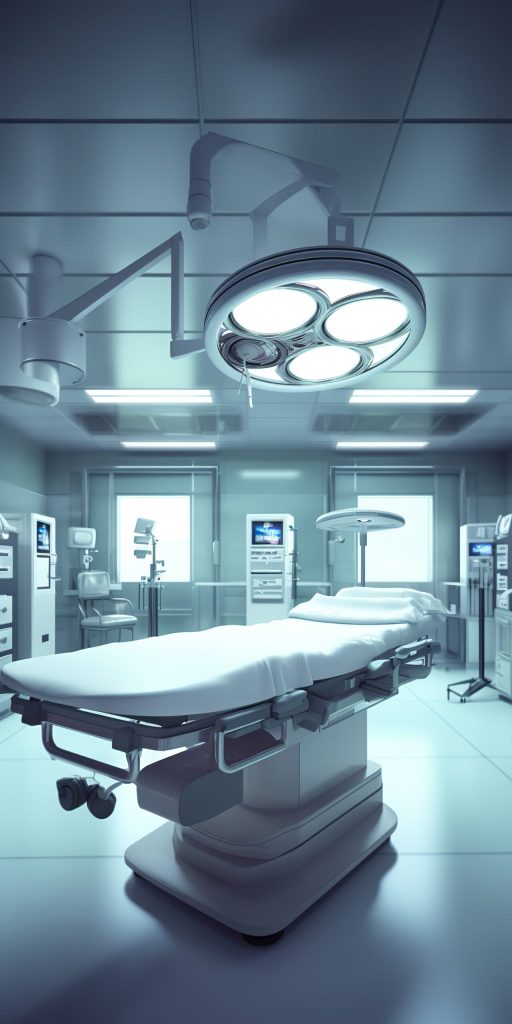
لماذا يهم التفريق بين أجهزة المستشفيات والأجهزة المنزلية؟
عند اختيار الأجهزة الطبية الاحترافية والمنزلية، كثير من الجهات والأفراد يقعون في خطأ شائع: افتراض أن الجهاز “المنزلي” يمكنه القيام بنفس دور الجهاز المستخدم في المستشفى. صحيح أن الأجهزة المنزلية تطورت وأصبحت أكثر دقة وسهولة، لكنها مصممة لظروف استخدام مختلفة تمامًا عن بيئة المستشفيات.
الأجهزة الطبية للمستشفيات صُممت للعمل ضمن بيئة سريرية عالية الضغط، حيث تُستخدم الأجهزة بشكل متكرر، وأحيانًا بشكل متواصل على مدار اليوم، كما تُبنى القرارات الطبية على نتائجها. أما الأجهزة المنزلية فهدفها الأساسي هو المتابعة العامة، والراحة، وسهولة التشغيل دون حاجة لتدريب متخصص.
بالنسبة للجهات الصحية في المملكة، وكذلك مقدمي الرعاية المنزلية، فإن فهم هذه الفروقات يساعد على اختيار الجهاز الصحيح للمكان الصحيح. وهنا يأتي دور شركة الرابية الطبية بوصفها جهة توريد وتجهيز تساعد في توفير حلول مناسبة للاستخدام في المستشفيات والعيادات وغيرها، مع الاهتمام بجودة الاختيار ودعم استمرارية التوريد.
1) الغرض من الاستخدام: بيئة علاجية متخصصة مقابل استخدام منزلي مبسّط
أهم فرق بين الفئتين هو الغرض من الاستخدام.
أجهزة المستشفيات تُصمم لتناسب مسارات العمل داخل الأقسام العلاجية مثل الطوارئ والعناية المركزة وغرف العمليات وأقسام التنويم والعيادات، حيث يتعامل معها طاقم طبي مدرّب ويعتمد عليها في التقييم والمتابعة.
أجهزة المستشفيات غالبًا تُستخدم لـ:
-
مراقبة مستمرة أو شبه مستمرة للمريض
-
دعم القرارات العلاجية والمتابعة الدقيقة
-
التعامل مع تغيّر الحالات بسرعة وإطلاق التنبيهات عند الحاجة
الأجهزة المنزلية غالبًا تُستخدم لـ:
-
قياسات متقطعة (مرة يوميًا أو أسبوعيًا)
-
متابعة عامة للأعراض أو المؤشرات الحيوية
-
تشغيل بسيط يناسب أفراد الأسرة ومقدمي الرعاية
2) الدقة والثبات: قراءة واحدة لا تكفي
الدقة ليست مجرد رقم يظهر على الشاشة؛ الأهم هو ثبات القياس في ظروف متنوعة: حركة المريض، اختلاف المستخدمين، اختلاف الإضاءة أو الحرارة، وتكرار الاستخدام.
أجهزة المستشفيات تخضع عادة لاختبارات تحقق أعلى لأنها تُستخدم لتوجيه قرارات طبية، بينما الأجهزة المنزلية قد تكون دقيقة في ظروف الاستخدام المعتادة داخل المنزل، لكنها قد لا تحافظ على نفس الثبات في الاستخدام المكثف أو الظروف الصعبة.
ما يميز أجهزة المستشفيات عادة:
-
هامش خطأ أقل في القياس
-
ثبات أعلى عند التكرار
-
قدرة أفضل على تقليل التشويش أثناء الحركة
3) التحمل ودورة التشغيل: مصممة للعمل طوال اليوم
في المستشفى، الجهاز قد يعمل لساعات طويلة ويستخدمه أكثر من شخص خلال اليوم، ويتنقل بين غرف متعددة، وقد يتعرض للاحتكاك أو الصدمات الخفيفة. لذلك تُصمم أجهزة المستشفيات لتحمل الاستخدام القاسي نسبيًا.
عناصر التحمل في أجهزة المستشفيات:
-
هيكل أقوى ومواد أكثر مقاومة
-
تصميم يتحمل النقل المتكرر
-
عمر تشغيلي أطول
-
قابلية أفضل للصيانة واستبدال القطع عند الحاجة
أما الأجهزة المنزلية فتكون عادة أخف وأبسط، لكنها ليست مصممة لتحمل نفس مستوى التشغيل المتواصل أو النقل داخل بيئات عمل مزدحمة.
4) السلامة والاعتمادات والمتطلبات التنظيمية
أجهزة المستشفيات تتطلب مستوى أعلى من السلامة، خصوصًا فيما يتعلق بالسلامة الكهربائية وحماية المريض وموثوقية الأداء. كما تطلب الجهات الصحية غالبًا وثائق واضحة ودقيقة للمنتج تساعدها في التدقيق والاعتماد وتقييم الجودة.
وجود مورد مثل الرابية الطبية يساعد الجهات على الحصول على الأجهزة المناسبة مع توجيه أفضل نحو متطلبات الوثائق والملحقات والاستخدام الصحيح، بحسب احتياج المستشفى أو العيادة.
5) مكافحة العدوى وسهولة التنظيف والتطهير
في المستشفيات، مكافحة العدوى ليست خيارًا بل ضرورة يومية. لذلك تُصمم أجهزة المستشفيات بطريقة تتحمل التنظيف المتكرر وبمواد تطهير معتمدة.
خصائص شائعة في أجهزة المستشفيات:
-
أسطح ملساء تقلل تجمع الملوثات
-
تقليل الفتحات والزوايا التي يصعب تنظيفها
-
مواد تتحمل المسح المتكرر بمواد التطهير
بينما الأجهزة المنزلية قد تتضرر بمرور الوقت إذا تم تنظيفها بمواد قوية أو بشكل متكرر جدًا، لأن تصميمها يستهدف الاستخدام المنزلي الأقل كثافة.
6) التنبيهات والوظائف السريرية والملحقات المهنية
أجهزة المستشفيات غالبًا تتضمن وظائف متقدمة تساعد الطاقم الطبي، مثل:
-
تنبيهات متعددة المستويات عند تجاوز مؤشرات محددة
-
عرض تغيّر المؤشرات مع الوقت وليس قراءة واحدة فقط
-
دعم ملحقات متعددة تناسب أقسام مختلفة
-
خيارات تثبيت وحمل مناسبة لبيئات المستشفى
في المقابل، الأجهزة المنزلية تركز على البساطة وسهولة القراءة، وقد لا توفر نفس مستوى التنبيهات أو تفاصيل المتابعة المطلوبة في الحالات الحرجة.
7) الصيانة والمعايرة وخدمة ما بعد البيع
من أكبر الفروقات العملية: قابلية الصيانة والمعايرة. أجهزة المستشفيات تحتاج في العادة إلى صيانة وقائية دورية ومعايرة للتأكد من استمرار الدقة، مع توفر قطع غيار وإمكانية إصلاح، لأن توقف الجهاز قد يؤثر مباشرة على الخدمة الطبية.
أما الأجهزة المنزلية فغالبًا تكون صيانتها محدودة، وفي كثير من الحالات يكون الاستبدال أسهل وأقل تكلفة من الإصلاح.
وهنا تبرز أهمية التعامل مع مورد موثوق مثل الرابية الطبية للمساعدة في اختيار أجهزة قابلة للخدمة، وتوفير الملحقات والمستهلكات المرتبطة بها، وتحسين استمرارية التشغيل.
الخلاصة: كيف تختار الفئة المناسبة؟
إذا كانت الحاجة داخل مستشفى أو عيادة أو مركز طبي، فالأولوية عادة لأجهزة احترافية تتحمل الاستخدام المتكرر، وتقدم دقة ثابتة، وتدعم متطلبات السلامة ومكافحة العدوى، وتوفر خيارات صيانة ومعايرة.
أما للاستخدام المنزلي، فالأجهزة المنزلية خيار جيد للمتابعة العامة والراحة وسهولة التشغيل، بشرط معرفة حدودها وعدم الاعتماد عليها لاتخاذ قرارات علاجية في حالات حرجة دون إشراف مختص.
شركة الرابية الطبية يمكنها دعم الجهات الصحية ومقدمي الرعاية بتوفير حلول وتجهيزات تلائم طبيعة العمل، مع التركيز على الجودة والاستمرارية وملاءمة الاستخدام.
Introduction: Why “Hospital-Grade Equipment” Matters
When people search for hospital grade equipment, they’re usually looking for one thing: confidence. Hospitals and clinical environments rely on devices that must perform accurately and consistently—often 24/7—under strict safety and infection control requirements. At the same time, consumer-grade or home-use devices have improved dramatically in recent years, making healthcare monitoring more accessible for families and caregivers.
So what’s the real difference between hospital-grade and consumer-grade medical equipment? Understanding these differences helps hospitals, clinics, and even home-care providers choose the right device for the right setting. For organizations working with a trusted supplier like Rabiyah Medical, choosing correctly also means ensuring regulatory readiness, maintenance support, and reliable supply.
1) Intended Use: Clinical Workflows vs Home Convenience
The most important difference is intended use. Hospital-grade devices are designed for professional clinical workflows—ICUs, operating rooms, emergency departments, wards, outpatient clinics, and ambulances. Consumer-grade devices are designed for home settings where the user may have limited training.
Hospital-grade equipment is built for:
-
Continuous operation and frequent patient turnover
-
Integration into clinical protocols and staff routines
-
Rapid decision-making where accuracy is critical
Consumer-grade equipment is built for:
-
Occasional use (daily checks or symptom tracking)
-
Simple interfaces and minimal setup
-
Comfort, portability, and affordability
Example: A hospital-grade vital signs monitor is designed to measure and trend parameters reliably throughout a shift, often with alarms and advanced sensors. A home monitor may be suitable for basic tracking, but not for high-acuity clinical decisions.
2) Accuracy, Tolerance, and Clinical Reliability
Accuracy is not only about a single measurement—it’s about stability across time, conditions, and different users. Hospital-grade medical equipment typically undergoes more rigorous validation and testing because it is used to guide diagnosis and treatment.
What “hospital-grade” usually implies:
-
Higher accuracy and tighter tolerances
-
Better signal processing (reducing noise and motion artifacts)
-
Stronger performance across challenging conditions (movement, humidity, frequent use)
Consumer-grade devices can still be accurate, but they are often optimized for typical home conditions and may have fewer clinical-grade sensors or advanced calibration features.
3) Durability and Duty Cycle: Built for 24/7 Use
Hospitals don’t use devices a few minutes a day. They run them constantly. That’s why hospital grade equipment is engineered for high “duty cycles”—meaning it can operate continuously with minimal downtime.
Hospital-grade durability features:
-
Stronger materials and protective casings
-
Components designed for repeated cleaning and disinfection
-
Longer operational lifespans
-
Better resistance to drops, spills, and intensive handling
Consumer-grade durability is usually:
-
Designed for lighter use
-
Less resistant to aggressive disinfectants
-
Shorter expected lifespan
This matters in procurement: hospitals often calculate total cost over years, including maintenance, replacement parts, and uptime reliability.
4) Safety Standards, Certifications, and Regulatory Expectations
Medical equipment safety is critical. Hospital environments require compliance with strict electrical and performance safety standards, and healthcare buyers often request documentation packages, certifications, and traceability.
Common hospital expectations include:
-
Compliance with recognized quality and safety frameworks
-
Clear labeling and instructions for use
-
Documentation for audits and tenders
In Saudi Arabia, healthcare organizations commonly prioritize suppliers who can support documentation readiness and alignment with national requirements. Rabiyah Medical can add value by helping clients access device documentation, recommended usage guidance, and ongoing support.
5) Infection Control and Cleanability
Infection prevention is a major factor in hospitals. Hospital-grade devices are designed to tolerate frequent disinfection using hospital-approved cleaning protocols and chemicals.
Hospital-grade infection-control design often includes:
-
Smooth surfaces and fewer crevices
-
Durable seals and protected ports
-
Materials compatible with frequent wiping and disinfectants
Consumer devices may not be designed for repeated exposure to strong disinfectants, which can degrade plastics, screens, or seals over time.
6) Alarms, Monitoring Features, and Clinical Integration
Many hospital-grade devices include advanced features that consumer models may not, such as:
-
Multi-parameter monitoring and trending
-
Alarm systems for safety thresholds
-
Compatibility with clinical environments (mounting options, durable connectors)
-
Possible connectivity with hospital workflows (depending on model)
Consumer devices may offer smartphone connectivity and convenience features, but they often lack robust alarm systems or clinical-grade trend reporting required in acute care settings.
7) Maintenance, Calibration, and After-Sales Support
A major differentiator is service. Hospital-grade equipment typically requires:
-
Preventive maintenance schedules
-
Calibration and performance verification
-
Spare parts availability
-
Service contracts for uptime
Consumer devices often have simpler maintenance needs, but limited serviceability—sometimes replacement is cheaper than repair.
Why this matters for buyers
Hospitals and clinics must minimize downtime and keep devices within safe operating parameters. A supplier like Rabiyah Medical can support this by helping clients select serviceable equipment, plan maintenance cycles, and secure dependable supply of accessories and consumables.
Conclusion: Choosing the Right Equipment for the Right Setting
In summary, hospital grade equipment is designed for clinical accuracy, continuous use, strict safety requirements, and infection control—supported by maintenance and documentation practices that fit professional healthcare environments. Consumer-grade equipment is designed for accessibility, ease-of-use, and home convenience.
If you are a hospital, clinic, or home-care provider building a reliable equipment plan in Saudi Arabia, working with a trusted supplier like Rabiyah Medical helps ensure you select the right category, receive appropriate documentation, and maintain continuity of supply and support.